The Architecture of Order: A Comprehensive Guide to Internet Governance
Introduction: What is Internet Governance?
Internet Governance refers to the development and application of shared principles, norms, rules, decision-making procedures, and programs that shape the evolution and use of the Internet. Contrary to popular perception, the Internet is not an ungoverned space but rather a complex ecosystem governed through a multistakeholder model involving governments, private sector entities, civil society, technical communities, and academic institutions.
As former UN Secretary-General Kofi Annan stated, “Internet governance is not about control, but about setting the rules of the road for the digital age.” This article explores the intricate architecture of Internet governance, its evolution, key players, mechanisms, and contemporary challenges.
1. Historical Evolution: From Technical Protocol to Global Governance
1.1 The Foundational Era (1960s-1990s)
ARPANET beginnings: Development by U.S. Defense Department with academic collaboration
IETF formation (1986): “Rough consensus and running code” philosophy
Self-governance ethos: Early internet community operated with minimal formal oversight
Commercialization (1990s): NSFNET privatization, leading to need for more structured governance
1.2 The Institutionalization Period (1998-2005)
ICANN establishment (1998): Internet Corporation for Assigned Names and Numbers created to manage DNS
WSIS process (2003-2005): UN World Summit on Information Society defining internet governance
WGIG formation (2004): Working Group on Internet Governance coining the classic definition:
“Internet governance is the development and application by Governments, the private sector and civil society, in their respective roles, of shared principles, norms, rules, decision-making procedures, and programs that shape the evolution and use of the Internet.”
1.3 Modern Era (2006-Present)
IGF launch (2006): Internet Governance Forum as multistakeholder discussion platform
IANA transition (2016): U.S. government hands oversight to global multistakeholder community
Increasing fragmentation: Rise of digital sovereignty and competing visions
2. Key Principles and Models of Internet Governance
2.1 The Multistakeholder Model
Core Characteristics:
Inclusive participation from all relevant stakeholders
Bottom-up, consensus-driven processes
Transparent decision-making
Distributed responsibility according to roles
Advantages:
Flexibility and adaptability
Incorporates diverse perspectives
Reflects internet’s distributed architecture
Fosters innovation through light-touch regulation
Criticisms:
Power imbalances between stakeholders
Legitimacy questions regarding representation
Potential for corporate capture
Slower decision-making processes
2.2 Competing Governance Models
Multilateral/State-Centric Model:
Nation-states as primary decision-makers
Examples: ITU treaty conferences, some cybersecurity agreements
Favored by China, Russia, and some developing nations
Private Sector-Led Model:
Corporate self-regulation
Examples: Facebook’s Oversight Board, content moderation policies
Criticized for lack of accountability
Technocratic Model:
Engineers and technical experts as primary decision-makers
Historic IETF and early ICANN approach
Challenges in addressing social/political dimensions
3. Key Internet Governance Institutions and Mechanisms
3.1 Technical Coordination Bodies
ICANN (Internet Corporation for Assigned Names and Numbers):
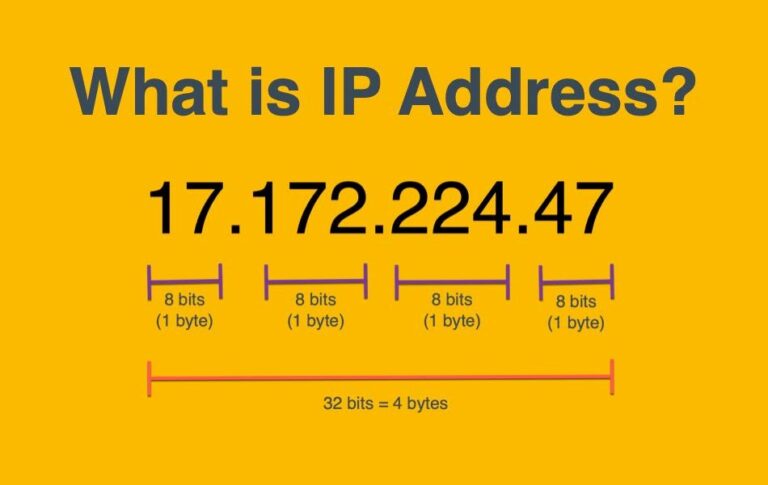
Manages global DNS root zone, IP address allocation, protocol parameters
Multi-stakeholder structure with Supporting Organizations and Advisory Committees
Key mechanism: Policy development through bottom-up consensus
IETF (Internet Engineering Task Force):
Develops voluntary technical standards (RFCs)
Open participation model
Famous motto: “We reject kings, presidents, and voting. We believe in rough consensus and running code.”
Regional Internet Registries (RIRs):
AFRINIC, APNIC, ARIN, LACNIC, RIPE NCC
Manage IP address allocation within regions
Membership-based organizations
3.2 Global Policy Forums
Internet Governance Forum (IGF):
UN-convened multistakeholder forum
No decision-making authority but influential agenda-setting
National and regional IGF initiatives (over 150 worldwide)
World Summit on Information Society (WSIS) Review Process:
3.3 Treaty-Based Organizations
International Telecommunication Union (ITU):
UN specialized agency for ICTs
Treaty-making authority (International Telecommunication Regulations)
Increasing interest in internet governance despite original telecom focus
World Intellectual Property Organization (WIPO):
Addresses copyright, trademarks, patents in digital environment
Internet treaties: WIPO Copyright Treaty, Performances and Phonograms Treaty
4. Critical Internet Governance Issues
4.1 Infrastructure and Standards Governance
DNS Management:
Root zone administration debates
New gTLD program controversies
DNS security (DNSSEC implementation)
Critical Internet Resources:
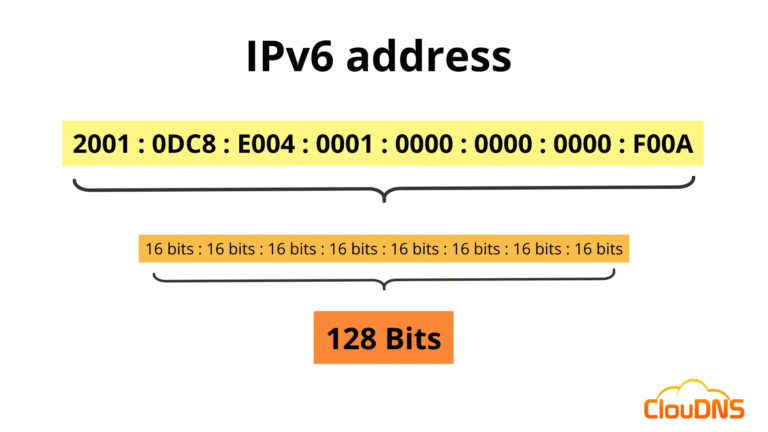
IPv4 exhaustion and IPv6 transition
Autonomous System Number allocation policies
Root server anycast deployment
Technical Standard-Setting:
Open vs. proprietary standards
5G and IoT standardization
Encryption standards and backdoor debates
4.2 Legal and Regulatory Issues
Jurisdictional Challenges:
Cross-border data flows and data localization
Extraterritorial application of national laws (GDPR, CLOUD Act)
Mutual Legal Assistance Treaty (MLAT) modernization
Content Regulation:
Balancing free expression with harmful content removal
Platform liability regimes (Section 230 debates)
Copyright enforcement online (DMCA, Article 17/DSM Directive)
Cybersecurity Governance:
Norms of state behavior in cyberspace (UN GGE, OEWG processes)
Critical infrastructure protection
Vulnerability disclosure and stockpiling
4.3 Economic and Development Issues
Digital Divide:
Access affordability and infrastructure gaps
Digital literacy and skills development
Meaningful connectivity metrics
Internet Economy:
Platform regulation and antitrust
Digital taxation frameworks
E-commerce rules (WTO Joint Statement Initiative)
Data Governance:
Data protection and privacy regulations
Data sovereignty vs. global data flows
Artificial Intelligence governance frameworks
4.4 Human Rights and Societal Issues
Digital Rights:
Inclusive Governance:
Gender digital divide in participation
Global South representation
Accessibility for persons with disabilities
Ethical Dimensions:
5. The Geopolitics of Internet Governance
5.1 Competing Visions
“Open Internet” Model:
Promoted by U.S., EU, like-minded democracies
Emphasizes multistakeholderism, free flow of information
Market-driven innovation with limited regulation
Digital Sovereignty Approaches:
Chinese model: Sovereign internet with strict controls (Great Firewall)
Russian model: Sovereign RuNet with data localization
European model: Regulatory sovereignty with GDPR, Digital Services Act
Indian model: Data sovereignty with local storage requirements
5.2 Strategic Divisions
U.S.-China Tech Competition:
5G infrastructure battles (Huawei restrictions)
Technology standards divergence
Competing visions for digital governance (UN vs. multistakeholder forums)
Transatlantic Tensions:
Privacy standards (Privacy Shield invalidation)
Platform regulation differences
Digital taxation disputes
Global South Perspectives:
Historical inequities in internet infrastructure
Demands for greater resource allocation (IP addresses, spectrum)
Development-focused internet governance
6. Emerging Frontiers in Internet Governance
6.1 Next-Generation Technologies
Artificial Intelligence Governance:
Algorithmic transparency and accountability
International AI governance frameworks
Ethical guidelines and certification
Internet of Things (IoT):
Security standards for connected devices
Privacy implications of pervasive sensing
Spectrum allocation for massive IoT
Quantum Internet:
Security implications of quantum computing
Quantum key distribution networks
Standardization challenges
6.2 New Governance Challenges
Decentralized Technologies:
Blockchain and DAO governance models
Cryptocurrency regulation
Smart contract legal recognition
Metaverse Governance:
Space Internet Governance:
Low Earth Orbit satellite constellations (Starlink, Project Kuiper)
Space spectrum coordination
Orbital debris mitigation
7. Participation in Internet Governance
7.1 Pathways for Engagement
Individual Participation:
IETF working groups (open mailing lists)
ICANN public comment periods
RIR policy development processes
IGF intersessional work
Organizational Engagement:
Corporate: Through trade associations, direct participation
Civil society: Through advocacy networks, coalition building
Academia: Research, policy analysis, capacity building
Technical community: Standards development, operational collaboration
Governmental Roles:
National IG strategies and policies
Participation in international negotiations
Diplomatic engagement in IG forums
7.2 Capacity Building Initiatives
DiploFoundation Internet Governance capacity building
ICANN Fellowship and NextGen programs
ISOC IGF Ambassadors program
National and regional schools of internet governance
8. Critiques and Reform Debates
8.1 Systemic Criticisms
Legitimacy Deficits:
Unequal representation of stakeholders
Corporate dominance in certain forums
Limited Global South participation
Effectiveness Challenges:
Slow decision-making processes
Difficulty enforcing agreements
Proliferation of forums causing fragmentation
Accountability Gaps:
Limited oversight of private platforms
Lack of redress mechanisms
Transparency deficiencies
8.2 Reform Proposals
Enhanced Multistakeholderism:
More structured participation mechanisms
Improved funding for diverse participation
Better alignment between IG bodies
New Institutional Architecture:
Digital Stability Board proposal
Global Digital Commons framework
Distributed governance through blockchain
Hybrid Models:
Multistakeholderism with “compliance pull”
Issue-specific governance arrangements
Networked governance approaches
Conclusion: The Future of Internet Governance
Internet governance stands at a critical juncture, facing what many call the “Splinternet” challenge—increasing fragmentation along geopolitical, commercial, and technical lines. The future trajectory will likely involve:
Coexistence of models: Continued competition between multistakeholder, multilateral, and corporate governance approaches
Issue-specific regimes: Different governance mechanisms for different problems (e.g., cybersecurity vs. data flows)
Regionalization: More regional internet governance arrangements complementing global mechanisms
Technological evolution: Governance structures adapting to AI, IoT, and quantum technologies
The fundamental challenge remains: How to preserve the global interoperability and open architecture that enabled the internet’s transformative impact while addressing legitimate concerns about security, rights, and equitable development.
As Vint Cerf, one of the internet’s founders, observed: “The internet is a reflection of our society and that mirror is going to be reflecting what we see. If we do not like what we see in that mirror the problem is not to fix the mirror, we have to fix society.”
Effective internet governance requires not just technical expertise but also diplomatic skill, inclusive processes, and a commitment to preserving the internet as a global public resource that serves humanity’s best interests. The decisions made in the coming years will shape the digital future for generations to come.
Key Resources for Further Exploration
Organizations:
Internet Governance Project (academic analysis)
Global Partners Digital (digital rights perspective)
Internet Society (technical community perspective)
Processes to Follow:
ICANN Public Meetings (three times annually)
IGF Annual Meeting
IETF Meetings (three times annually)
UN processes: OEWG on cybersecurity, WSIS+20 review
Essential Reading:
“The Master Switch” by Tim Wu
“The Internet Con” by Cory Doctorow
“Who Controls the Internet?” by Jack Goldsmith and Tim Wu
“The Digital Republic” by Jamie Susskind
Internet governance is not a spectator sport. Its evolution depends on active, informed participation from all stakeholders committed to an open, secure, and inclusive digital future.