How To Measure IPv6
How to Measure IPv6: A Comprehensive Guide to Assessing Adoption, Performance, and Security
Introduction: The Importance of IPv6 Measurement
With the exhaustion of IPv4 addresses accelerating globally, IPv6 adoption has transitioned from a future consideration to a present necessity. Measuring IPv6 implementation provides critical insights into global connectivity trends, network performance, security readiness, and adoption barriers. This comprehensive guide explores methodologies, tools, and metrics for effectively measuring IPv6 across multiple dimensions.
1. Measuring IPv6 Adoption and Availability
1.1 Global Adoption Metrics
Google IPv6 Statistics: Tracks IPv6 adoption among Google users worldwide (currently ~40-45% globally)
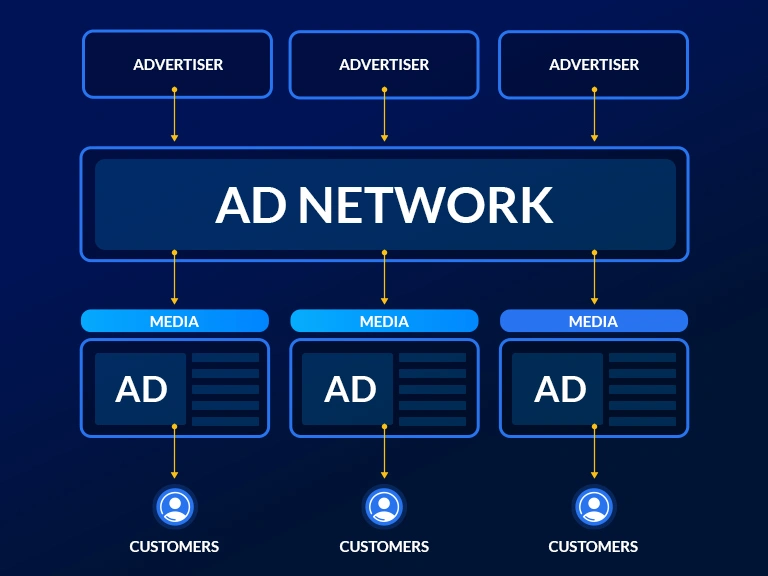
APNIC IPv6 Measurement: Provides regional and country-level adoption rates using ad-based measurement
World IPv6 Launch Measurements: Annual reports on major website and network provider adoption
1.2 Network-Level Measurement
BGP Monitoring:
Route collectors (RouteViews, RIPE RIS) analyze IPv6 BGP tables
Key metrics: Number of IPv6 prefixes, ASNs announcing IPv6, routing table size growth
Tools: BGPStream, bgp.tools, RIPEstat
DNS-Based Measurement:
Check AAAA record availability for domain names
Measure DNS resolver IPv6 capability (using
dig AAAAornslookup -type=AAAA)Dual-stack DNS server deployment statistics
1.3 Endpoint and Content Availability
Web Content Measurement:
Alexa/Umbrella top websites IPv6 enablement
Measurement methodologies:
Active probing from dual-stack vantage points
Checking for AAAA records and successful IPv6 connections
Analyzing fallback mechanisms (Happy Eyeballs implementation)
Server-Side Measurement:
# Example command to check website IPv6 capability
$ curl -6 -I https://example.com
$ host -t AAAA example.com
2. Measuring IPv6 Performance
2.1 Connectivity Performance
Latency Comparison:
Simultaneous IPv4 and IPv6 measurements to same destinations
Tools: RIPE Atlas, PerfSonar, custom dual-stack ping tests
Considerations: Path differences between IPv4 and IPv6 can affect results
Throughput Testing:
iPerf3 with IPv6 support for controlled throughput measurement
Speed test servers with IPv6 capability (Ookla, Measurement Lab)
TCP connection establishment time comparison
2.2 Protocol-Specific Performance Factors
MTU Path Discovery:
Measure IPv6 Path MTU Discovery effectiveness
Fragmentation rates and issues
# Path MTU discovery testing
$ ping6 -M do -s 1500 example.com
Neighbor Discovery Performance:
Router Advertisement intervals and effectiveness
Duplicate Address Detection timing
NDP cache performance under load
2.3 Application Performance
Web Performance:
Same-browser measurements comparing IPv4 vs IPv6 page load times
Considerations: CDN IPv6 support, geolocation differences
Real User Monitoring (RUM) with IPv6 detection
Video Streaming:
Adaptive bitrate performance over IPv6
Connection startup times for streaming protocols
3. Measuring IPv6 Security
3.1 Security Posture Assessment
Scanning and Enumeration:
IPv6 address space scanning techniques (despite vast address space)
Tools:
masscan,zmapwith IPv6 support,scapyfor custom probesMethodology: Target scanning of known subnets (/64, /56 prefixes)
Vulnerability Assessment:
Common IPv6-specific vulnerabilities:
Neighbor Discovery spoofing
Transition mechanism vulnerabilities (6to4, Teredo)
Extension header abuses
Security scanner updates: Nessus, OpenVAS IPv6 plugins
3.2 Firewall and Filtering Evaluation
Policy Compliance Testing:
Verify IPv6 filtering matches IPv4 policies
Test ICMPv6 filtering appropriateness (critical for IPv6 operation)
Extension header filtering evaluation
Tools for Security Testing:
# IPv6 firewall testing with hping3
$ hping3 -6 -p 80 -S target_ipv6

# THC-IPv6 attack kit for security assessment
$ sudo detect-new-ip6 eth0
4. IPv6 Quality of Service Measurement
4.1 Service Level Agreement Verification
Dual-Stack SLA Compliance:
Availability measurements for both protocols
Performance parity requirements
Failover timing measurements
4.2 Quality Metrics
Packet Loss Comparison:
Simultaneous loss measurements on both stacks
Long-term trend analysis
Correlation with routing events
Jitter and Reordering:
Real-time protocol performance over IPv6
Impact of larger headers on voice/video applications
5. Tools and Platforms for IPv6 Measurement
5.1 Active Measurement Platforms
RIPE Atlas:
Global network of measurement probes
Built-in IPv6 measurement capabilities
Custom measurement creation for specific tests
Measurement Lab (M-Lab):
Open internet measurement platform
Historical data for longitudinal studies
Multiple testing tools with IPv6 support
PerfSonar:
Network performance measurement framework
IPv6 capable throughput and latency testing
Suitable for research and education networks
5.2 Passive Measurement Tools
Flow-Based Analysis:
NetFlow v9/IPFIX with IPv6 support
Tools: ntopng, SolarWinds, custom analysis scripts
Anomaly detection in IPv6 traffic patterns
Packet Capture Analysis:
Wireshark with advanced IPv6 display filters
Specialized filters for transition mechanisms
Traffic pattern analysis and benchmarking
5.3 Specialized IPv6 Tools
IPv6-Specific Utilities:
ipv6calc: Address manipulation and calculationtcptraceroute6: Path discovery with protocol-specific optionstracepath6: MTU discovery and path tracing
Development and Testing Tools:
SIIT, Jool: Stateless translation testing
Various tunnel brokers for transition mechanism testing
6. Methodology Best Practices
6.1 Controlled Experiment Design
Baseline Establishment:
Measure native IPv4 performance first
Control for variables: time of day, network conditions, server selection
Statistical significance consideration
Simultaneous Measurement:
Measure IPv4 and IPv6 concurrently where possible
Account for infrastructural differences (different paths, CDN nodes)
6.2 Longitudinal Studies
Trend Analysis:
Regular measurements at consistent intervals
Correlation with external events (World IPv6 Day, provider upgrades)
Seasonal and geographic variations
6.3 Representative Sampling
Geographic Diversity:
Measurements from multiple regions and networks
Consideration of localized adoption patterns
Mobile vs. fixed network differences
Content and Service Diversity:
Test various service types (web, video, gaming, IoT)
Different content sizes and interaction patterns
7. Challenges in IPv6 Measurement
7.1 Technical Challenges
Address Space Size:
Traditional scanning techniques impractical
Need for targeted measurement approaches
Statistical sampling methodologies
Transition Mechanisms:
Complexity of measuring across various transition technologies
Translation and tunneling performance overhead
Broken path detection
7.2 Data Interpretation Challenges
Apples-to-Apples Comparison:
Different paths for IPv4 and IPv6 traffic
CDN and load balancer behavior differences
Caching effects
Cause Attribution:
Determining if issues are IPv6-specific or general network problems
Protocol vs. implementation issues
8. Emerging Trends in IPv6 Measurement
8.1 IPv6-Only Networks
Measuring IPv4-as-a-Service performance
464XLAT effectiveness assessment
Application compatibility in IPv6-only environments
8.2 IoT and 5G Considerations
Massive scale device measurement challenges
5G network IPv6 deployment tracking
Constrained device protocol implementation
8.3 Privacy-Enhanced Technologies
Measuring impact of IPv6 privacy extensions
Temporary address usage patterns
Evolving standards (RFC 8981)
Conclusion: Building a Comprehensive Measurement Strategy
Effective IPv6 measurement requires a multi-faceted approach combining:
Multiple data sources (active probes, passive monitoring, BGP/DNS data)
Appropriate tools for each measurement dimension
Statistical rigor in methodology
Longitudinal tracking to identify trends
Actionable metrics tied to business or operational objectives
As IPv6 continues its inevitable growth, measurement practices must evolve alongside protocol development and deployment patterns. Organizations should establish regular measurement regimes, share data where possible, and contribute to the global understanding of IPv6 deployment and performance.
Additional Resources
IPv6 Ready Logo Program: Certification and testing tools
IETF IPPM Working Group: Standard measurement methodologies
RIPE IPv6 Working Group: Operational experience and tools
NIST IPv6 Testing Program: Reference implementations and tests
*Regular measurement and benchmarking are essential for ensuring IPv6 deployment success, identifying optimization opportunities, and maintaining robust, secure, and performant next-generation internet connectivity.