IPv4 Address Markets

IPv4 Address Markets: The Anatomy of a Digital Resource Economy
Introduction: The Creation of an Unlikely Market
The IPv4 address market represents one of the internet’s most fascinating and consequential secondary economies—a multi-billion dollar global marketplace that emerged from what was originally designed as a free public resource. With the exhaustion of the original IPv4 address space (approximately 4.3 billion addresses), a sophisticated transfer ecosystem has developed, complete with brokers, valuation models, regulatory frameworks, and complex negotiations. This market sits at the intersection of technology policy, economics, and network operations, with implications for internet growth, equity, and evolution.
As Milton Mueller, internet governance scholar, observes: “The IPv4 market is a perfect case study in institutional innovation. The internet community created property rights and markets for addresses out of thin air, responding to scarcity with remarkable ingenuity.” This article provides a comprehensive examination of IPv4 address markets, their mechanics, participants, economics, and future trajectory.
1. Historical Context: From Abundance to Scarcity
1.1 The Era of Free Allocation (1981-2011)
Initial Distribution Philosophy:
“First come, first served” allocation by IANA to Regional Internet Registries (RIRs)
RIRs allocated to Local Internet Registries (LIRs) and end-users based on demonstrated need
No cost beyond administrative fees (typically $1,000-2,500 annually for RIR membership)
Justification: Addresses as public resource, not property
The Road to Exhaustion:
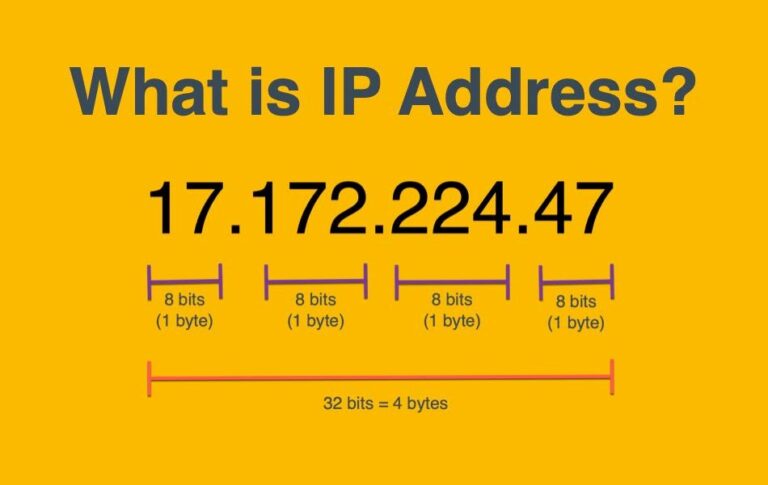
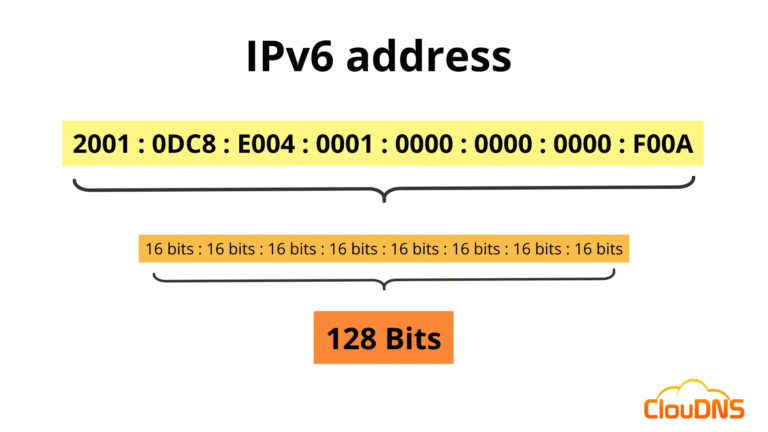
1981: IPv4 specification (RFC 791) with 32-bit address space (~4.3 billion addresses)
1990s: Internet commercialization accelerates consumption
1994: First warnings about eventual exhaustion (RFC 1681)
2011: IANA allocates final /8 blocks to RIRs (February 3, 2011)
1.2 The Tipping Points by Region
RIR Exhaustion Milestones:
APNIC (Asia-Pacific): April 19, 2011 – First RIR to reach last /8
RIPE NCC (Europe/Middle East): September 14, 2012
LACNIC (Latin America/Caribbean): June 10, 2014
ARIN (North America): September 24, 2015
AFRINIC (Africa): Still maintains addresses but under tight policies
Policy Responses to Scarcity:
Last /8 policies: Final allocations limited to small blocks (/22 or /24)
Needs-based justification requirements tightened
Transfer policies formalized within and between regions
2. Market Mechanics and Structure
2.1 The Two-Tier Market Structure
Primary Market (RIR Allocations):
Diminishing supply from RIR waiting lists
Strict needs-based justification requirements
Typically small allocations (/22 or /24 for IPv4)
Long wait times in some regions (years in APNIC, RIPE)
Secondary Market (Transfers):
Bulk of address transactions today
Three main transfer types:
Inter-RIR transfers: Between organizations in different regions
Intra-RIR transfers: Within same RIR region
Merger/Acquisition transfers: Special category for corporate transactions
2.2 Market Participants and Roles
Sellers:
Legacy holders: Organizations with pre-RIR allocations (often universities, early tech companies)
Bankrupt/defunct companies: Addresses as remaining assets
Efficient networks: Companies that have transitioned to IPv6 or use NAT extensively
Speculators: Entities that acquired addresses anticipating price appreciation
Buyers:
Growing businesses: Especially cloud providers, hosting companies, ISPs
Enterprises expanding networks: Particularly with IoT deployments
Mobile operators: Supporting 4G/5G expansion
Content providers: Needing addresses for global anycast networks
Intermediaries:
Brokers: Facilitate transactions, often taking 10-20% commission
Legal firms: Specialize in transfer agreements and compliance
Escrow services: Hold funds until transfer completion
Valuation consultants: Assess address block value
2.3 Pricing Dynamics and Valuation Models
Current Price Range (2024):
/24 block (256 addresses): $10,000 – $15,000
/23 block (512 addresses): $19,000 – $28,000
/22 block (1,024 addresses): $35,000 – $50,000
/16 block (65,536 addresses): $1.8M – $2.5M
/8 block (16.7M addresses): Theoretical value ~$400M+ (rarely trades)
Factors Influencing Price:
Block size: Larger blocks command premium (administrative efficiency)
Cleanliness: Reputation score, blacklist status
Regional factors: ARIN blocks typically most expensive
Transfer history: “Clean” transfers without past abuse
Age of block: Older blocks sometimes preferred (established reputation)
Valuation Methodologies:
Comparable sales: Recent transactions of similar blocks
Cost of alternatives: Price of equivalent cloud services over time
Income approach: Revenue generated from addresses (hosting, services)
Appraisal services: Professional valuation from specialized firms
3. Regional Market Variations and Policies
3.1 ARIN (North America) Market
Policy Framework:
Most liberal transfer policies
Both specified transfers (to specific buyer) and unspecified (to waiting list)
12-month holding period for addresses from waiting list
Market characteristics: Most liquid, highest prices
Notable Transactions:
Microsoft’s 2011 purchase of 666,624 addresses from Nortel ($7.5M)
Ongoing large transactions among cloud providers
Active broker market with multiple established firms
3.2 RIPE NCC (Europe/Middle East) Market
Policy Framework:
Transfer must be justified by need (though less strict than initial allocation)
Buyer must be RIPE member
Market characteristics: Active, moderately priced, well-documented
Unique Aspects:
More diverse buyer base (including many Eastern European ISPs)
Greater proportion of small/medium transactions
Strong emphasis on documentation and compliance
3.3 APNIC (Asia-Pacific) Market
Policy Framework:
Strictest transfer policies
Must demonstrate need for 24-month period
Market characteristics: Limited supply, high demand, high prices when available
Special Challenges:
Long waiting lists for addresses from last /8
Significant demand from China, India, Southeast Asia
More transactions happening through mergers/acquisitions
3.4 Inter-RIR Transfer Markets
Policy Evolution:
Initially prohibited, then gradually allowed
Current policies vary by RIR combination
ARIN ↔ RIPE: Relatively straightforward
ARIN ↔ APNIC: More restrictive
Market Implications:
Arbitrage opportunities (though limited by policy)
Global price convergence over time
Complex legal/regulatory compliance
4. Transaction Process and Due Diligence
4.1 Standard Transaction Workflow
1. Listing → 2. Negotiation → 3. Due Diligence → 4. Agreement → 5. RIR Approval → 6. Transfer
Key Stages:
Listing: Seller lists block with broker or directly
Negotiation: Price, terms, conditions established
Due Diligence: Buyer investigates block history, reputation
Agreement: Contract signed, escrow funded
RIR Approval: Formal transfer request submitted, approved
Transfer: RIR database updated, payment released
4.2 Critical Due Diligence Elements
Reputation Analysis:
Blacklist checks: Spamhaus, UCEPROTECT, other DNSBLs
Historical abuse: Search of abuse.net, other databases
BGP routing history: RouteViews, RIS, BGPStream analysis
Geolocation accuracy: Current geolocation database entries
Legal Considerations:
Clear title: Verification seller actually owns addresses
Lien/search: Ensuring no claims against the addresses
Transfer restrictions: Legacy vs. provider-aggregated space
Tax implications: Vary by jurisdiction (capital gains, sales tax)
Technical Assessment:
Routing status: Currently announced? Where?
Fragmentation: Are addresses contiguous?
Previous users: Any residual DNS or network configurations
RIR compliance: Ensure seller in good standing
4.3 Contractual Elements
Standard Provisions:
Representations and warranties of ownership
Indemnification for pre-transfer abuse
Service level agreements for transfer coordination
Confidentiality clauses
Dispute resolution mechanisms
Special Considerations:
Warranty duration: Typically 30-90 days post-transfer
Escrow terms: Conditions for fund release
RIR approval contingency: What if RIR rejects transfer?
Post-transfer support: Assistance with routing configuration
5. Economic Analysis and Market Dynamics
5.1 Supply and Demand Drivers
Supply Factors:
Defunct companies: Bankruptcy proceedings releasing addresses
IPv6 transition: Organizations freeing IPv4 space
Merger synergies: Combined companies needing fewer addresses
Economic cycles: More supply during downturns
Demand Factors:
Internet growth: New users, devices, services
IoT expansion: Billions of new connected devices
Cloud migration: Centralization requiring large address blocks
Regulatory changes: Data localization laws requiring regional presence
5.2 Price History and Trends
Historical Price Evolution:
2011: $8-12 per address (early market)
2015: $12-18 per address (more RIRs exhausted)
2018: $18-25 per address (cloud boom)
2021: $25-35 per address (pandemic acceleration)
2024: $35-50+ per address (current range)
Notable Price Events:
2018 spike: Facebook’s large purchases, ARIN waiting list growth
2020 COVID impact: Initial dip, then sustained increase
2022-23 stabilization: Prices plateauing at higher level
5.3 Market Efficiency and Liquidity
Liquidity Variations:
Most liquid: /24 blocks (standard trading unit)
Less liquid: Very large blocks (/16 and above)
Illiquid: “Dirty” blocks with abuse history
Market Transparency Issues:
Private transactions not always disclosed
Price reporting lag
Regional information asymmetries
Broker dominance in price discovery
6. Legal and Regulatory Framework
6.1 Property Rights Status
The Great Debate:
RIR position: Addresses are “allocated,” not owned
Market reality: De facto property rights through transferability
Legal precedents: Mixed, with some courts recognizing property interest
Contractual vs. Property Rights:
Rights derived from RIR registration services agreement
Transferable but revocable under certain conditions
Key limitation: RIRs can revoke for policy violations
6.2 Regional Regulatory Variations
United States:
Minimal specific regulation
Treated as intangible property for tax purposes
Bankruptcy courts have treated as assets
European Union:
GDPR implications for WHOIS data
Competition law considerations for large acquisitions
VAT treatment varies by member state
Asia-Pacific Variations:
China: Strict controls, government approval often required
India: Specific regulations for address holding/transfer
Australia: Follows APNIC policies with additional reporting
6.3 Tax Considerations
Common Tax Treatments:
Capital gains: In many jurisdictions for sellers
Sales tax/VAT: Sometimes applicable
Depreciation: Some jurisdictions allow for amortization
Transfer taxes: Generally not applicable
Planning Considerations:
Entity structure optimization (holding companies)
Timing of recognition (installment sales possible)
Cross-border tax implications
Professional tax advice strongly recommended
7. Strategic Considerations for Participants
7.1 Buyer Strategies
Acquisition Approaches:
Direct purchase: From owner or via broker
Merger/acquisition: Acquire companies for their addresses
Leasing: Temporary access without ownership
Market timing: Strategic purchasing during downturns
Portfolio Management:
Diversification across blocks (age, reputation, size)
Geographic distribution for anycast networks
Mix of owned and leased addresses
Regular assessment of needs vs. holdings
7.2 Seller Strategies
Maximizing Value:
Reputation management: Maintaining clean blocks
Timing: Selling during demand spikes
Bundling: Combining with other assets in M&A
Auction vs. negotiated sale: Choosing right mechanism
Exit Considerations:
Tax implications of sale
Future needs assessment (IPv6 readiness)
Alternative monetization (leasing)
Partial sales vs. complete exit
7.3 Investor Strategies
Address as Asset Class:
Return characteristics: 15-25% annual appreciation historically
Correlation: Low correlation with traditional assets
Liquidity: Moderate (better than real estate, worse than stocks)
Risk factors: Regulatory change, IPv6 acceleration
Portfolio Construction:
Mix of block sizes
Geographic diversification
Blend of legacy and recent allocations
Consideration of use cases (different demand drivers)
8. Market Impacts and Externalities
8.1 Impact on Internet Growth and Innovation
Positive Effects:
Efficient allocation to highest-value uses
Funds innovation through address monetization
Supports startups through address leasing options
Encourages IPv6 adoption (address prices create incentive)
Negative Effects:
Barrier to entry for new networks
Concentration among large players
Potential hoarding/speculation
Administrative overhead for smaller organizations
8.2 Environmental Considerations
E-waste Implications:
Extended life for IPv4-only equipment
Delayed transition to IPv6-capable hardware
Energy consumption of additional NAT devices
Counterpoint: Avoiding premature equipment replacement
Carbon Footprint:
Transaction processes (legal, due diligence, travel)
Extended operation of legacy infrastructure
Network inefficiencies from extensive NAT use
8.3 Social Equity Concerns
Global Distribution Issues:
Developing regions priced out of market
Legacy advantages for early participants (mainly Global North)
AFRINIC policy: Attempt to maintain African addresses for African use
Potential solutions: Address sharing, philanthropy, subsidized transfers
Community Initiatives:
RIR community funds for address acquisition
Non-profit address pools
Educational institution support programs
Development-focused allocation policies
9. Alternative Models and Complementary Systems
9.1 Address Leasing Markets
Growing Segment:
Lower upfront cost for users
Steady income for owners
Typical terms: 1-5 years, renewable
Pricing: 15-25% of purchase price annually
Providers:
Specialist leasing companies
Large address holders offering lease options
Broker-mediated lease agreements
9.2 IPv4 Address Sharing Technologies
Carrier-Grade NAT (CGN):
Shares single address among many users
Widely deployed by mobile and some residential ISPs
Limitations: Breaks some applications, adds latency
Address Plus Port (A+P):
Allocates port ranges along with addresses
Better application compatibility than CGN
Limited real-world deployment
9.3 IPv6 as the Ultimate Solution
Adoption Trends:
~45% of Google users access over IPv6
Most mobile networks IPv6-enabled
Variable adoption by content providers
Economic effect: IPv6 adoption dampens IPv4 demand growth
Dual-Stack Reality:
Most networks operate both protocols
IPv4 still required for legacy compatibility
Transition period measured in decades, not years
10. Future Outlook and Market Evolution
10.1 Short-Term Projections (1-3 years)
Expected Developments:
Continued price appreciation but slowing rate
Increased leasing market share
More sophisticated financial products (address-backed lending)
Enhanced regulatory scrutiny
Potential Disruptions:
Accelerated IPv6 adoption
Regulatory intervention
Large holder liquidation (government, corporate)
Technological breakthroughs in address sharing
10.2 Medium-Term Trajectory (3-7 years)
Market Maturation:
Price stabilization as IPv6 dominance grows
Standardized valuation methodologies
Increased institutional participation
Potential securitization of address portfolios
Policy Evolutions:
Clarification of property rights status
International harmonization of transfer policies
Address philanthropy becoming more established
Legacy address recovery programs
10.3 Long-Term Scenario (7+ years)
The IPv4 Sunset Scenario:
Marginal value declines as IPv6 reaches critical mass
Market transitions to niche applications
Last holders maintaining for legacy systems
Timeline: Likely 15-25+ years before significant decline
Alternative Scenarios:
Persistent dual-stack: IPv4 retains value indefinitely
Regulated utility: Government intervention creates regulated market
Technology breakthrough: New technology eliminates scarcity
11. Practical Guidance for Market Participants
11.1 For First-Time Buyers
Recommended Approach:
Start with leasing to understand needs
Purchase smallest block that meets requirements
Work with reputable broker for first transaction
Conduct thorough due diligence
Have legal counsel review agreement
Common Pitfalls to Avoid:
Underestimating administrative overhead
Ignoring block reputation history
Not planning for future growth
Overlooking RIR policy compliance
11.2 For Sellers
Maximizing Value Strategies:
Clean up block reputation before listing
Bundle small blocks into larger units
Time sale with market cycles
Consider installment sales for tax benefits
Provide comprehensive documentation
11.3 For Investors
Risk Management:
Diversify across block sizes and regions
Maintain adequate liquidity for opportunities
Stay informed on policy developments
Have exit strategies for different scenarios
Consider environmental/social governance factors
Conclusion: A Market at a Crossroads
The IPv4 address market represents a remarkable case of institutional innovation—a functioning global market created entirely through community policy decisions rather than legislation. It has successfully allocated scarce resources to those who value them most, funded innovation through asset monetization, and provided a bridge to the IPv6 future. Yet it also raises fundamental questions about equity, access, and the nature of digital resources.
As Geoff Huston, Chief Scientist at APNIC, reflects: “The IPv4 market is a temporary fix to a permanent problem. It’s working remarkably well, but it’s ultimately a transition mechanism. The real solution remains the widespread adoption of IPv6.”
The market’s future will be shaped by several key dynamics:
IPv6 adoption rate: The primary determinant of long-term IPv4 demand
Regulatory developments: Potential interventions that could reshape the market
Technological innovation: New approaches to address sharing or transition
Global equity considerations: Pressure to address Global South needs
Environmental factors: Sustainability concerns around extended IPv4 use
For now, the IPv4 market continues to function as a vital mechanism for internet growth, providing addresses where they’re needed most and creating economic signals that encourage efficient use. Whether it ultimately becomes a footnote in internet history or persists as a permanent feature of the digital landscape will depend on choices made by technologists, policymakers, and market participants in the coming years.
The IPv4 market teaches us that scarcity breeds innovation—not just technological innovation, but institutional and market innovation as well. Its evolution offers lessons for other digital resource governance challenges, from spectrum allocation to carbon credits to data rights. In this sense, the IPv4 market is more than just about addresses; it’s a laboratory for digital resource economics in the 21st century.
Appendices and Resources
Key Market Data Sources
IPv4.Global: Leading broker with price transparency
Hilco Streambank: Broker with bankruptcy specialization
Prefix Broker: European-focused brokerage
RIR Statistics: Transfer data from each RIR
Google IPv6 Statistics: Adoption rates affecting demand
Policy Documentation
ARIN Transfer Policy: Number Resource Policy Manual (NRPM) Section 8
RIPE NCC Transfer Policy: RIPE Policy Document
APNIC Transfer Policy: APNIC Policies
IANA IPv4 Recovered Address Space: Special policy for returned addresses
Educational Resources
APNIC Academy: Courses on addressing and transfers
ARIN Online: Transfer process guides
IPv4 Market Group: Industry association with best practices
IETF RFCs: Technical background (especially RFC 7020 on market dynamics)
Professional Services
Valuation firms: Address valuation specialists
Legal practices: Specializing in address transfers
Due diligence providers: Reputation and history analysis
Escrow services: Secure transaction facilitation
The IPv4 address market stands as testament to the internet community’s ability to evolve governance mechanisms in response to changing realities—a case study in pragmatic innovation that continues to shape global connectivity.