Skip to content
Home
Ad Network
Phone
Internet
Computing
Home
Ad Network
Phone
Internet
Computing
All The Tech
Ad Network
After content
Computing
Home
Internet
Phone
Home
Ad Network
Phone
Internet
Computing
Google AdSense vs. Ezoic vs. Mediavine vs AdThrive : Which is Right for Your Site?
The Rise of Retail Media Networks (RMNs): Amazon, Walmart, and Beyond.
A Deep Dive into Google Display Network (GDN) for Advertisers.
Leveraging Data and Analytics to Optimize Your Ad Network Performance.
Ad Networks for Mobile Apps: Comparing AdMob, Unity Ads, and ironSource.
Case Study: How [Publication Name] Successfully Diversified Its Ad Revenue.
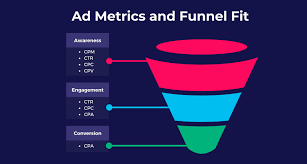
CPM vs. CPC vs. CPA: Understanding Ad Pricing Models.
Best Ad Networks for Small Websites and Blogs (Under 50k monthly visitors).
Using Google Ad Manager (GAM) to Manage Direct and Network Sales.
The Publisher’s Guide: How to Monetize Your Website with Ad Networks.
The Advertiser’s Guide: How to Use Ad Networks to Reach Your Audience.
Connected TV (CTV) and Streaming Ad Networks: The New Frontier.
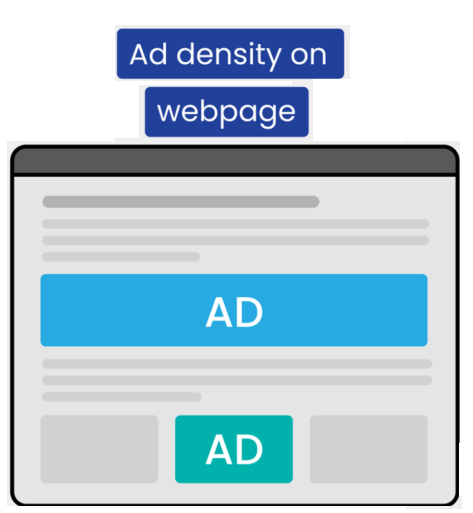
Ad Density and User Experience: Finding the Right Balance.
Contextual Targeting: The Comeback Kid in a Privacy-First World.
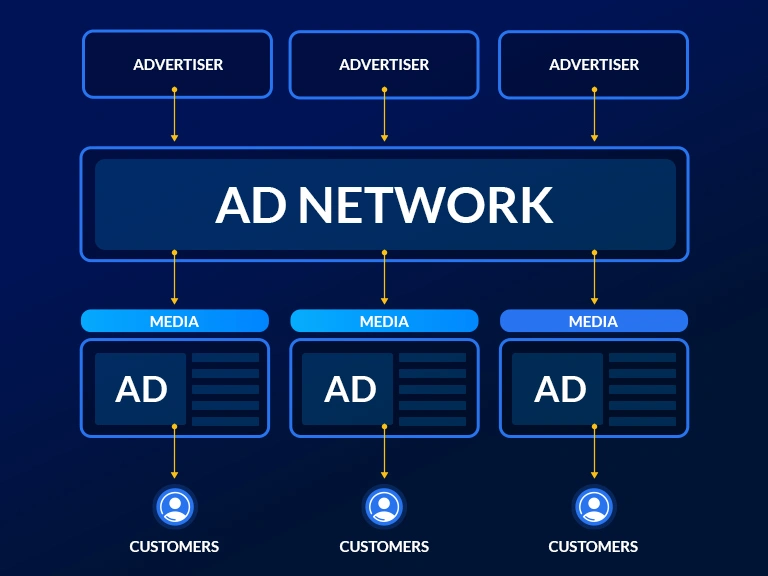
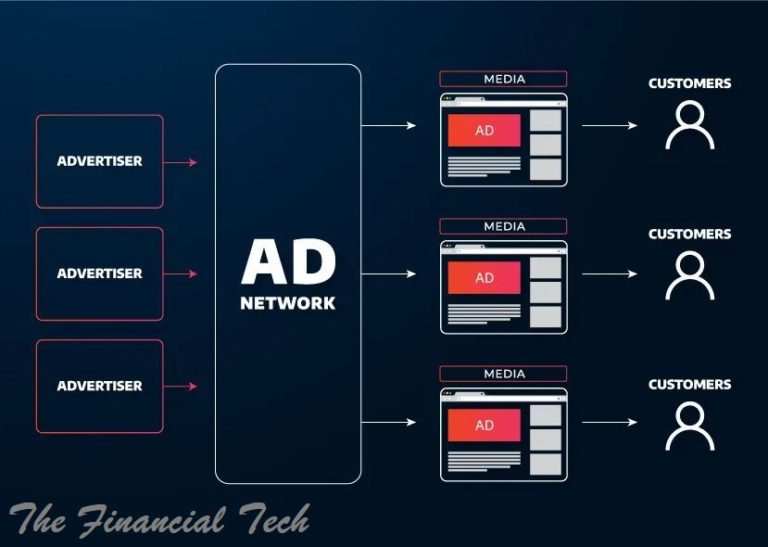
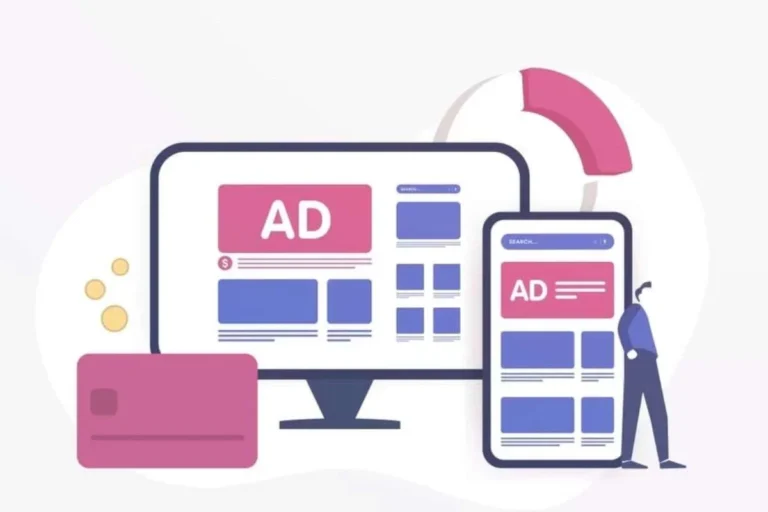
What is an Ad Network? A Simple Breakdown for Beginners.
B2B and Lead Generation-Focused Ad Networks.
Ad network
Native Ad Networks: A Review of Taboola, Outbrain, and Revcontent.
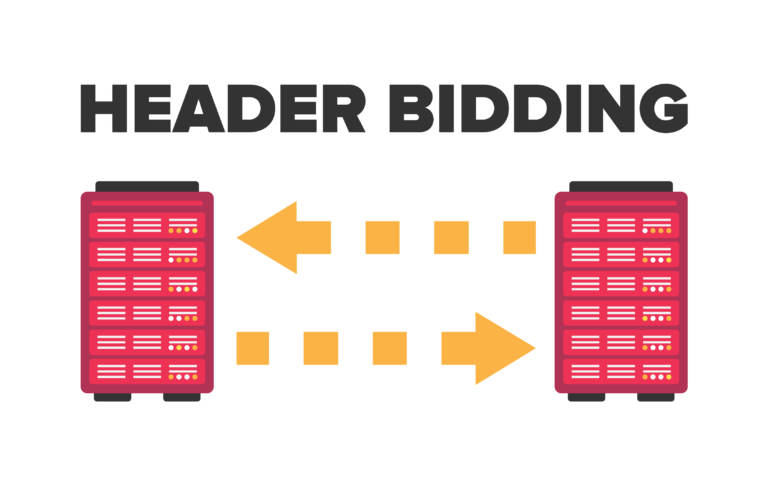
Header Bidding Explained: How It Works and Why It Increases Revenue.
The Consolidation of the Ad Tech Stack: What It Means for Publishers.
Top Ad Networks for Gaming Websites and Apps.
The Ethics of Advertising: Balancing Revenue with User Trust.
Ad Fraud 101: How to Identify and Protect Your Budget from Invalid Traffic.
.
OTHER POSTS
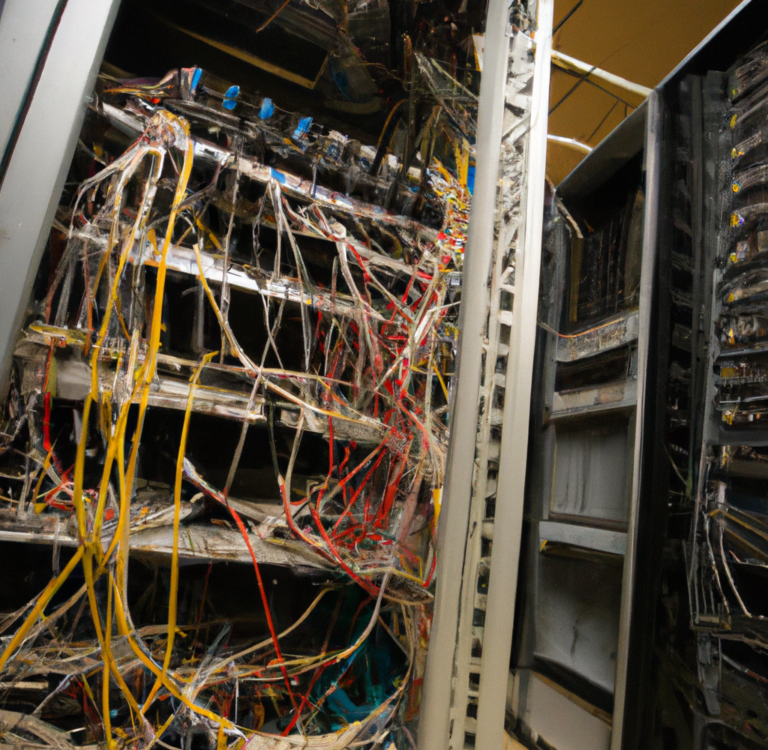
The Internet’s Physical Backbone: Undersea cables, data centers, and IXPs
Connected TV (CTV) and Streaming Ad Networks: The New Frontier.
E-ink Beyond E-readers: Secondary monitors, notebooks, and more
The Publisher’s Guide: How to Monetize Your Website with Ad Networks.
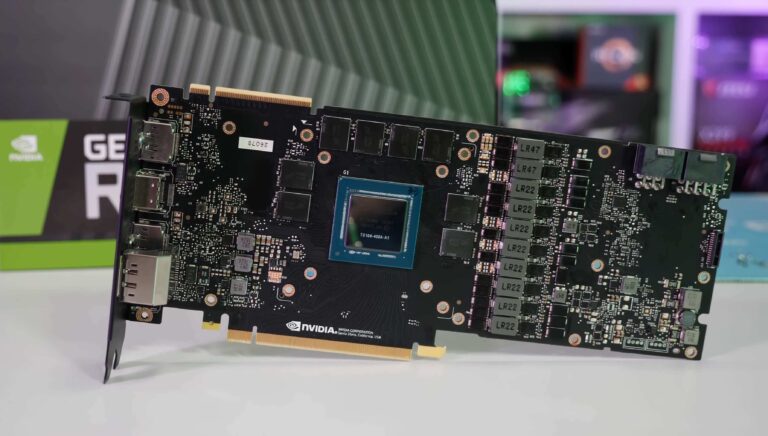
Anatomy of a GPU: How Graphics Cards Actually Work.
Mobile Photography Techniques: Rule of thirds, night mode tips, portrait mode best practices
Custom Android Skins: One UI (Samsung) vs. ColorOS (Oppo) vs. MIUI (Xiaomi) vs. Stock Android
The Return of Personal Websites: Why everyone should own their corner of the web
The Basics of Encryption: How Your Data Stays Safe Online.
Using Google Ad Manager (GAM) to Manage Direct and Network Sales.
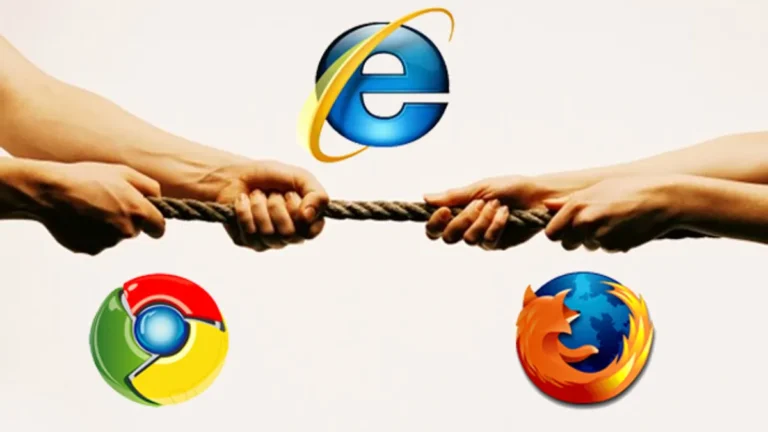
Browser Wars Returned: Chrome, Safari, Firefox, and the newcomers
The Rise of Retail Media Networks (RMNs): Amazon, Walmart, and Beyond.
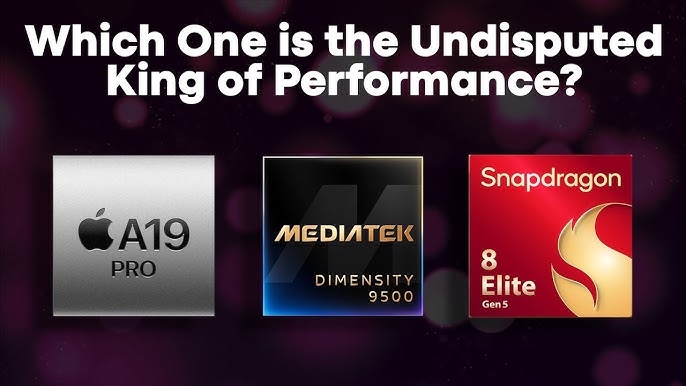
Processor Showdowns: Comparing Snapdragon vs. MediaTek vs. Apple A-Series chips
Serverless Costs Surprises: Hidden expenses in cloud functions
HTTP/3 Adoption: Real-world performance benefits
Android vs. iOS: Annual feature comparison and philosophy differences
Display Technology Deep Dives: OLED vs. LCD, refresh rates (60Hz vs. 120Hz), and brightness nits
Ransomware Evolution: How attacks are getting smarter
What Is an API? A Simple Explanation with Real-World Examples.
Financial Management
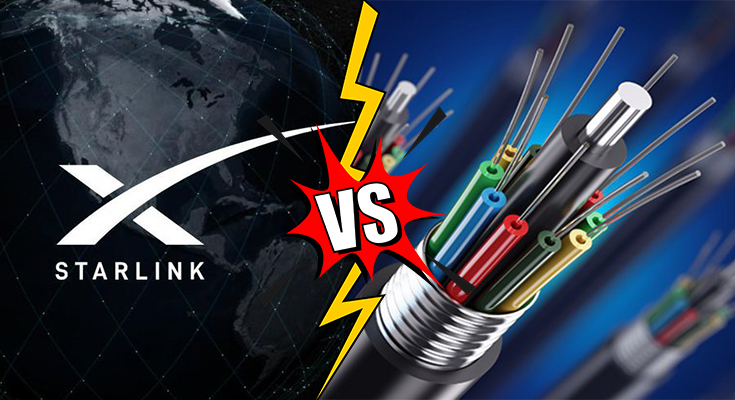
5G vs. Fiber vs. Starlink: The future of internet connectivity
Internet Evolution
The Governance of the Root of the DNS
Eco-System Decisions: Staying within Apple, Google, or Samsung’s ecosystem
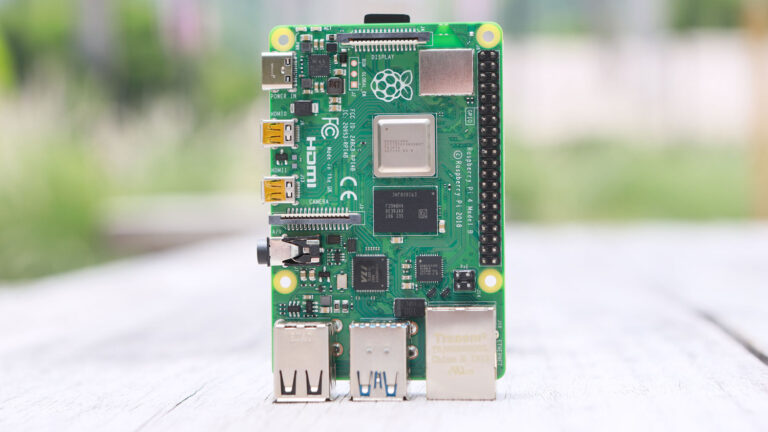
Raspberry Pi Alternatives 2024: Best SBCs for different projects
Contextual Targeting: The Comeback Kid in a Privacy-First World.
AI in Web Development: Copilots, generators, and automated testing
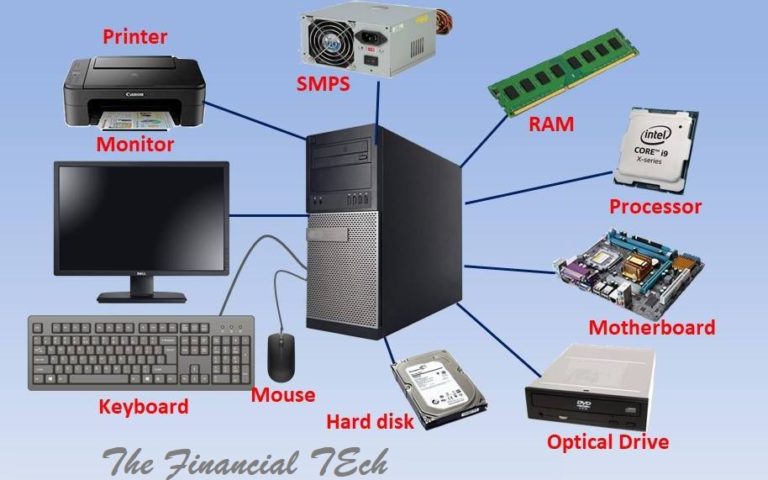
Computer Hardware
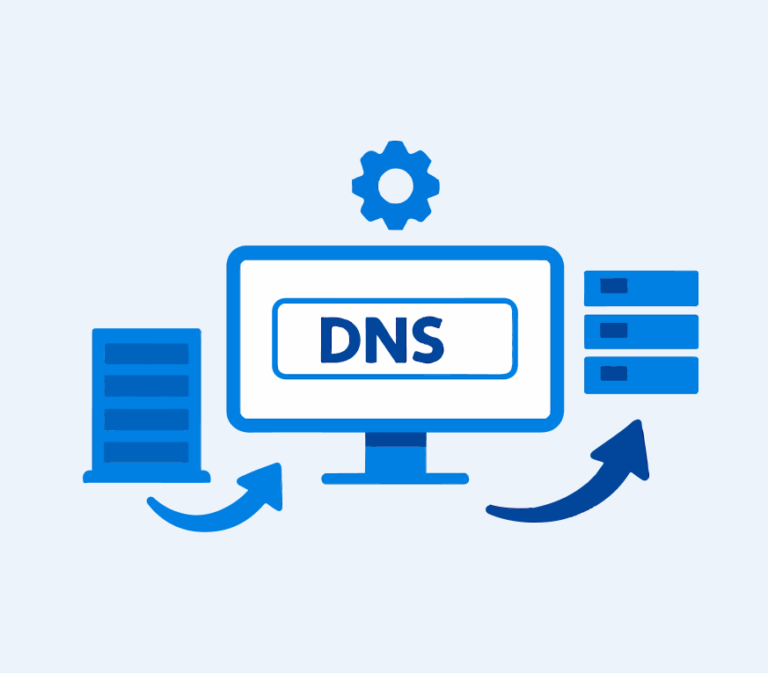
DNS-over-HTTPS (DoH): Privacy benefits vs. enterprise challenges
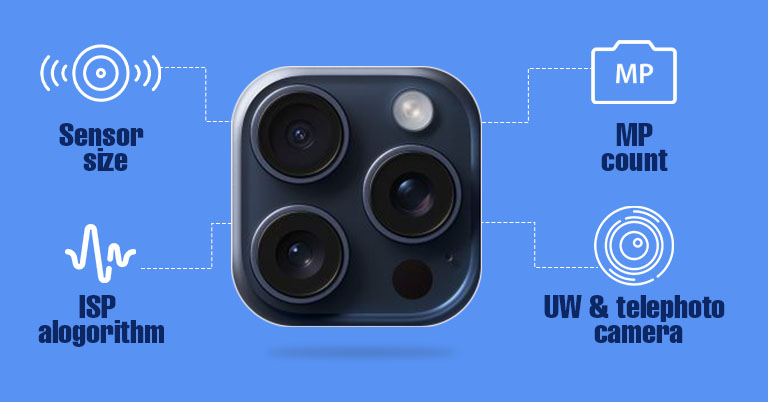
Camera Hardware Explained: What megapixels really mean vs. sensor size vs. aperture
Demystifying Version Control: A Beginner’s Guide to Git.
Best Ad Networks for Small Websites and Blogs (Under 50k monthly visitors).
QUIC Protocol Deep Dive: Why it matters for web performance
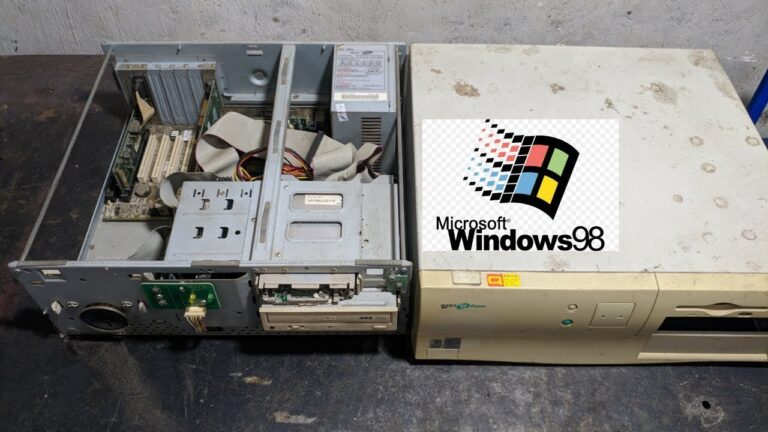
Reviving a Vintage Computer: A Restoration Log.
Automating Your Life: An Intro to Scripting with Python.
Google AdSense vs. Ezoic vs. Mediavine vs AdThrive : Which is Right for Your Site?
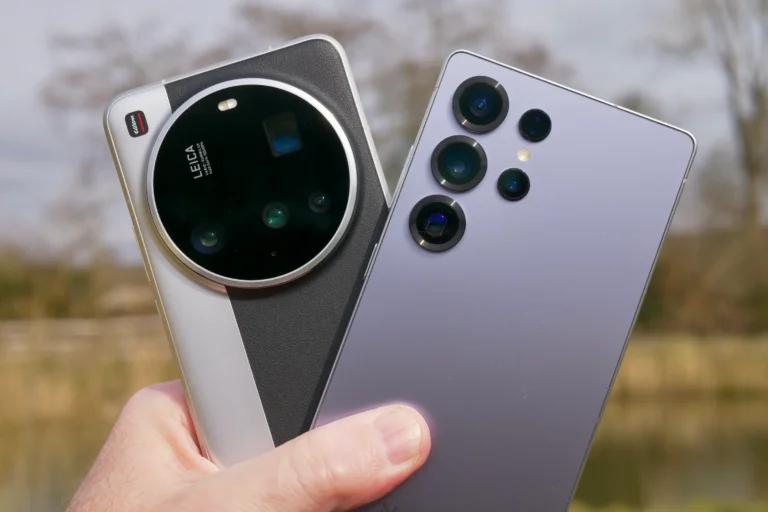
Phone for Specific Users: Best for photographers, gamers, business users, or seniors
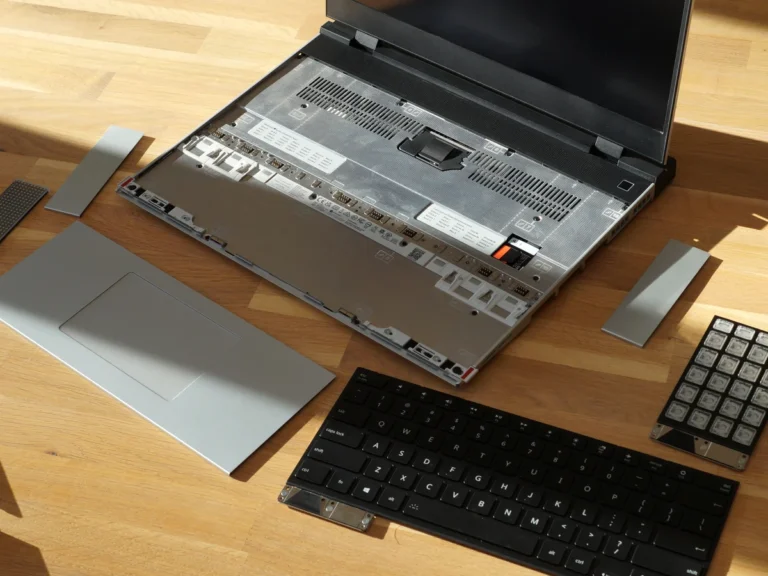
Framework Laptop Review: The right-to-repair laptop experience**
ISP
The Complete Guide to Backing Up Your Data (Local, Cloud, & 3-2-1 Rule).
Quantum Internet Progress: Where are we really?
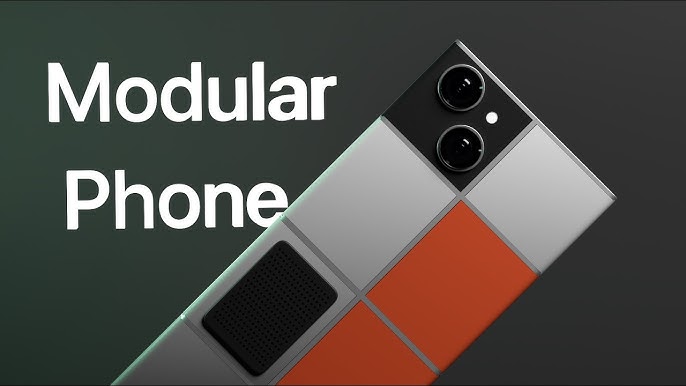
Modular Phone Progress
Self-Hosting Email Server: Pros, Cons, and How-To
Geolocation and Starlink Relation
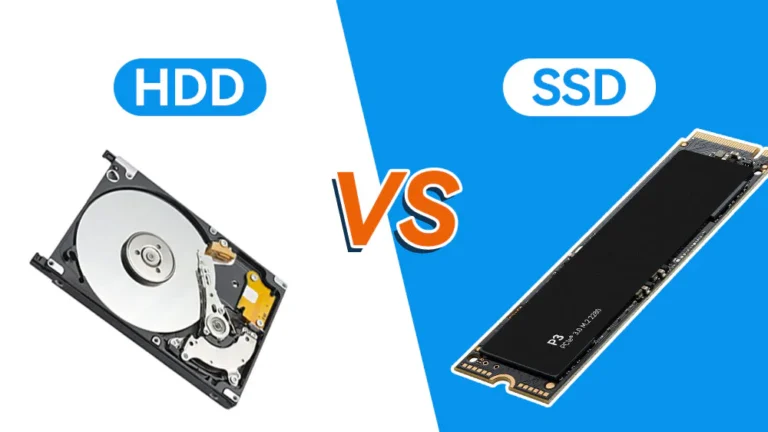
How Does Solid-State Storage (SSD) Differ from a Hard Drive (HDD)?
The Ethics of Advertising: Balancing Revenue with User Trust.
The Consolidation of the Ad Tech Stack: What It Means for Publishers.
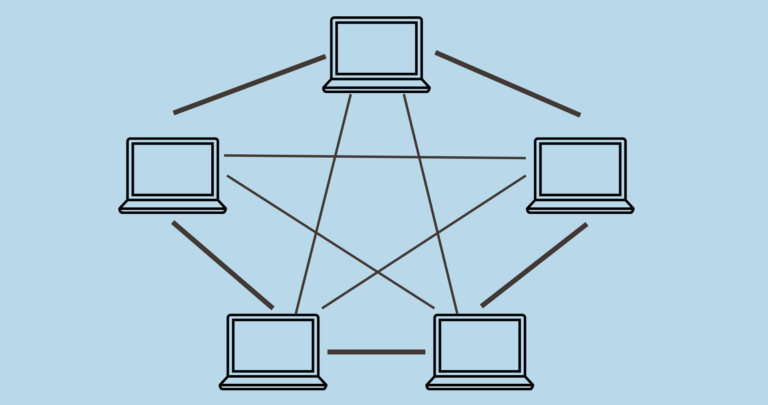
Mesh Networks for Communities: DIY internet infrastructure
Carbon-Aware Computing: Scheduling workloads when energy is greener
Linux Distro Showdown: Which One Should You Choose in 2024?
ICANN
B2B and Lead Generation-Focused Ad Networks.
Cloud Computing Explained: IaaS, PaaS, SaaS.
IoT Security Nightmares: Smart devices becoming attack vectors
API Economy Deep Dive: How businesses profit from their APIs
Computer Science
Indie Web Games Renaissance: Browser-based gaming comeback
Social Media Optimization: Best settings for Instagram, TikTok, and YouTube
What is an Ad Network? A Simple Breakdown for Beginners.
Remote Work Communication Tools: What actually works for distributed teams
Mastering the Command Line: 20 Essential Bash Commands.
GeoIP Locating
Ad Fraud 101: How to Identify and Protect Your Budget from Invalid Traffic.
E-waste Solutions: Companies tackling electronics recycling
Ad network
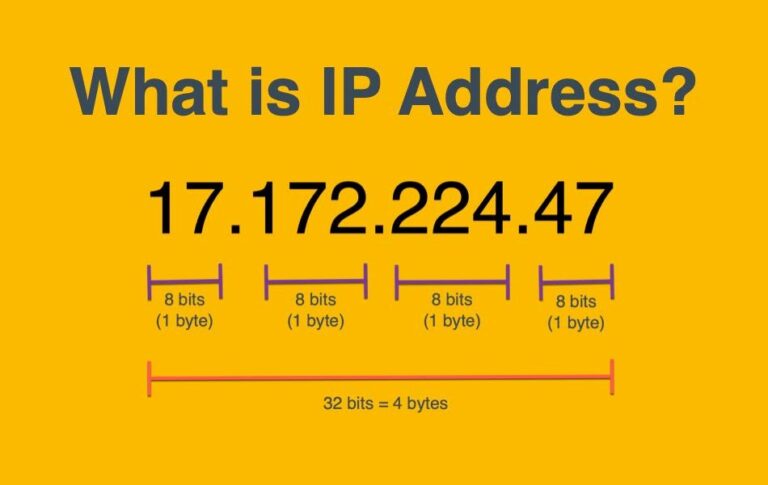
IP Addressing
DNS at IETF 123
Leveraging Data and Analytics to Optimize Your Ad Network Performance.
Mobile Gaming Hardware: What specs actually matter for gaming?
Quantum Computing for the Layperson: Hype vs. Reality.
Top Ad Networks for Gaming Websites and Apps.
Ad Networks for Mobile Apps: Comparing AdMob, Unity Ads, and ironSource.
An Introduction to Firewalls for Home Users.
Framework Laptop Review: Living with a Modular Computer.
Case Study: How [Publication Name] Successfully Diversified Its Ad Revenue.
Browser Wars Returned: Chrome, Safari, Firefox, and the newcomers – Copy
Internet Governance
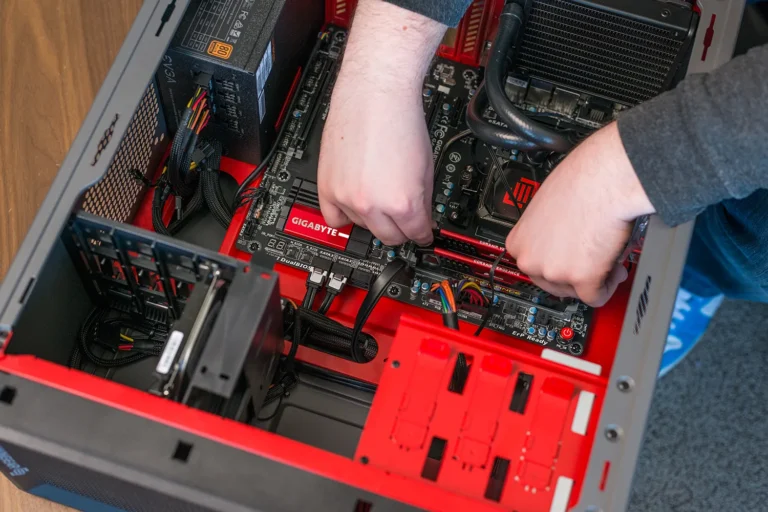
A Step-by-Step Guide to Building Your First Custom PC.
A Deep Dive into Google Display Network (GDN) for Advertisers.
Web3 Reality Check: What’s actually useful beyond the hype?
Phone Apps
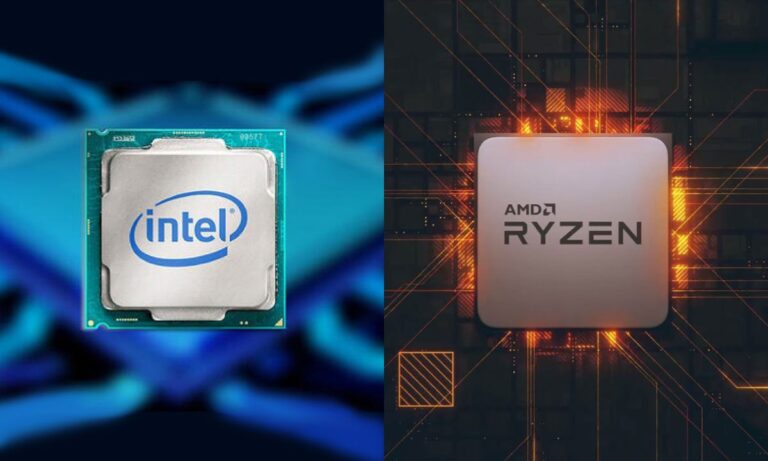
AMD vs. Intel: A Look at the Current CPU Landscape.
The Advertiser’s Guide: How to Use Ad Networks to Reach Your Audience.
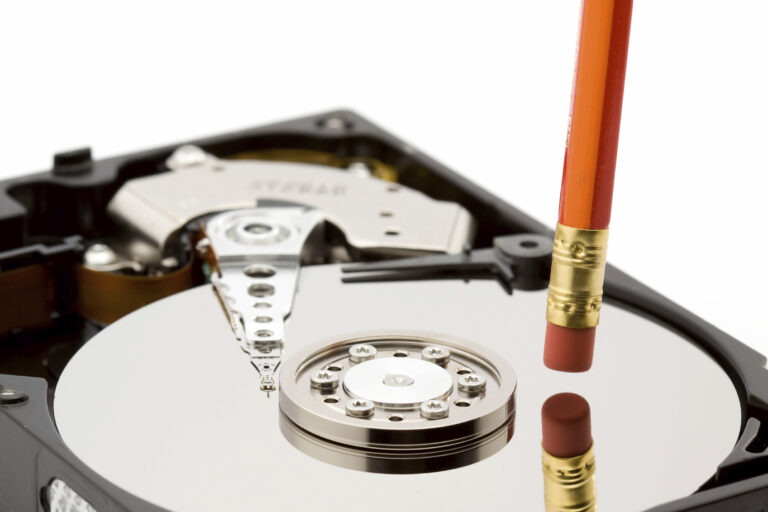
How to Securely Wipe an Old Hard Drive Before Disposal.
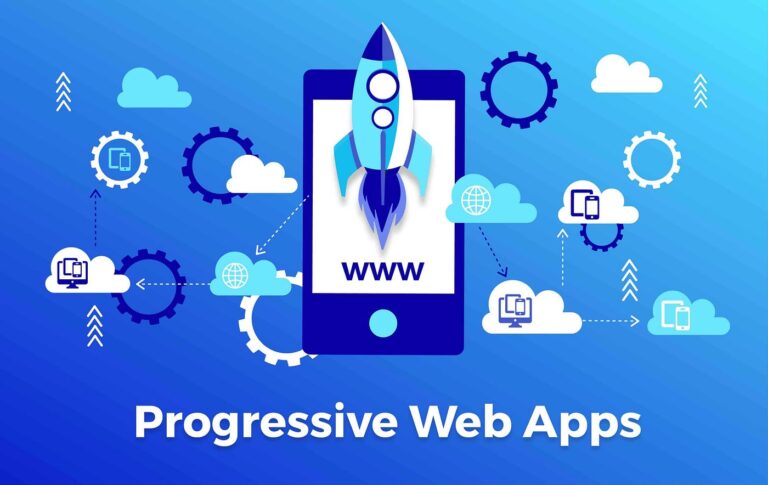
Progressive Web Apps (PWAs): Do they still matter in the native app era?
Header Bidding Explained: How It Works and Why It Increases Revenue.
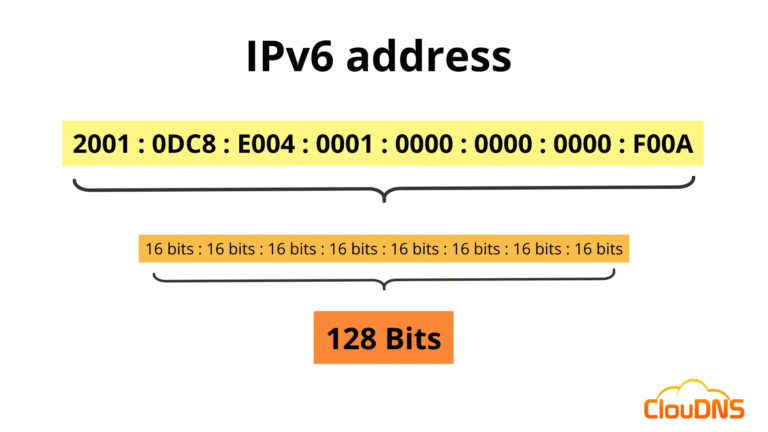
How To Measure IPv6
Mobile Security Suites: Are they necessary in 2024?
IPv4 Address Markets
Hidden Features: Lesser-known tricks in iOS 17 or Android 14
Native Ad Networks: A Review of Taboola, Outbrain, and Revcontent.
How to Spot a Phishing Email: A Practical Guide.
DNS Nameservers
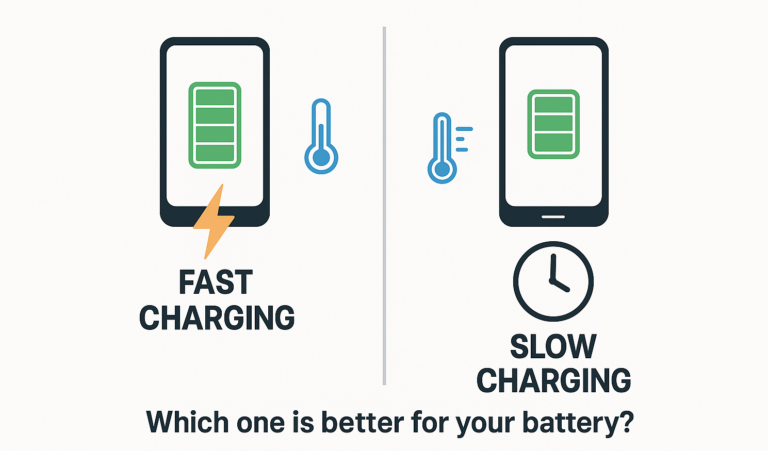
Battery Technology: Fast charging standards compared, battery health preservation tips
When to Upgrade: Understanding the upgrade cycle and diminishing returns
Internet Management
CPM vs. CPC vs. CPA: Understanding Ad Pricing Models.
Ad Density and User Experience: Finding the Right Balance.