The Publisher’s Guide: How to Monetize Your Website with Ad Networks
Introduction: From Audience to Asset
Every visitor to your website represents an opportunity. Not just to consume your content, but to generate revenue that sustains and grows your publishing efforts. The challenge is converting that audience attention into reliable, scalable income without destroying the user experience that brought them there in the first place.
This is the publisher’s fundamental dilemma—and ad networks are the primary tool for solving it.
Global digital advertising revenue is projected to surpass $740 billion in 2025 . This is not a zero-sum game dominated exclusively by Facebook and Google. Thousands of independent publishers, from solo bloggers to established media brands, capture meaningful shares of this spend through strategic ad network partnerships.
This guide provides a complete, actionable framework for monetizing your website with ad networks. It covers everything from understanding the ecosystem to selecting the right partners, implementing their code, optimizing performance, and evolving your strategy as you grow.
Part 1: Understanding the Publisher-Ad Network Relationship
1.1 What an Ad Network Actually Does for You
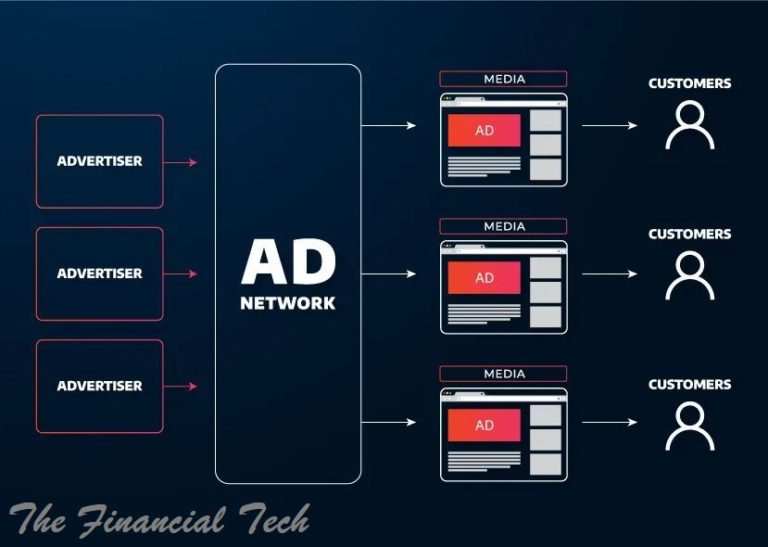
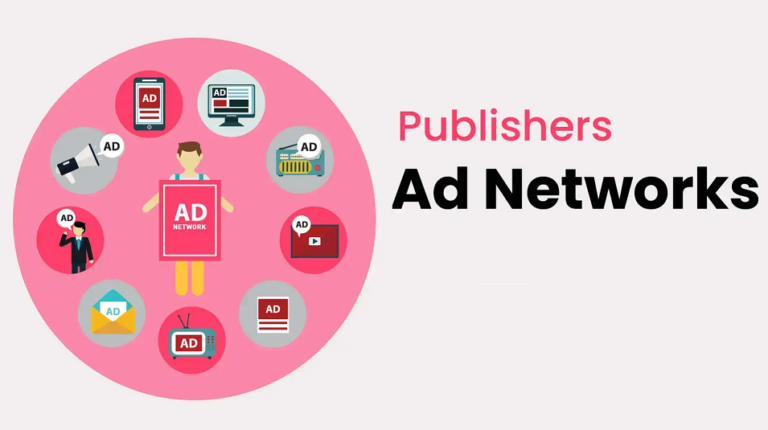
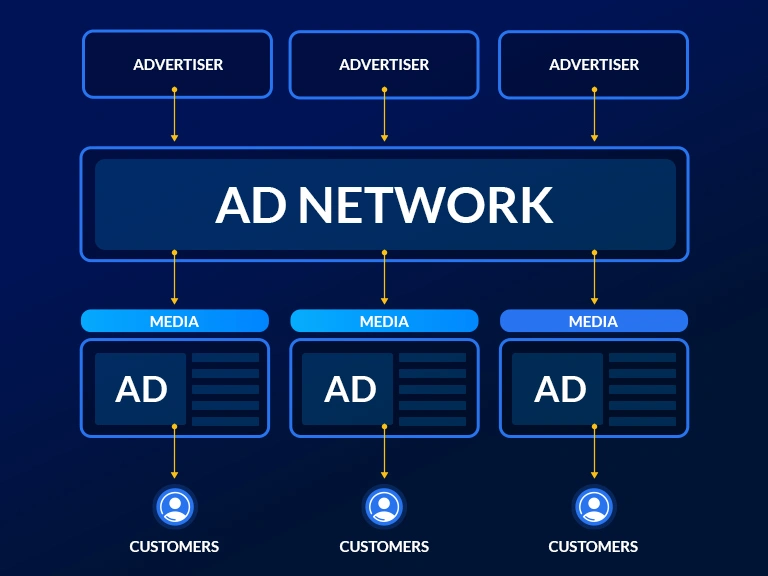
An ad network is a commercial intermediary that aggregates ad inventory from multiple publishers and sells it to advertisers . Without ad networks, you would need to negotiate individual deals with every brand that might want to reach your audience. For most publishers, this is impossible.
The value proposition is simple: You provide the audience and the ad space. The network provides the buyers, the technology, the targeting, the tracking, and the payment processing. In exchange, they take a percentage of the revenue .
Why publishers use ad networks:
Instant demand: Access to thousands of advertisers immediately upon integration
Higher fill rates: Unsold inventory is minimized through broad demand aggregation
Reduced overhead: No need for a sales team or ad operations staff
Simplified payments: One consolidated payment from the network, not dozens of individual advertisers
Performance optimization: Networks use algorithms and data to match your inventory with the highest-paying relevant ads
1.2 The Ecosystem: Where Ad Networks Fit
Your ad network is not the entire monetization ecosystem. Understanding how it connects to other players helps you make better decisions:
Source:
Most publishers begin with direct ad network relationships. As you grow, you may graduate to using an SSP or a yield management partner that aggregates multiple networks simultaneously .
Part 2: The Publisher’s Decision Framework—Choosing Your First (or Next) Ad Network
Selecting the right ad network is not about finding the “best” network in absolute terms. It is about finding the right network for your specific site, traffic profile, and monetization goals.
2.1 The Four Questions You Must Answer First
Question 1: What is your traffic volume and existing revenue?
Your monthly pageviews determine which networks are even available to you.
Sources:
Critical insight: If you are generating less than $1,000 per month in ad revenue, many premium partners will not accept you—they cannot profitably manage your account . This is not a judgment of your site; it is simple economics.
Question 2: What is your niche or content category?
Vertical-specific ad networks often pay significantly higher CPMs than general networks because they attract advertisers specifically targeting your audience .
Finance: Sovrn, InvestingChannel
Pets: Dogtime Media
Food: Gourmet Ads
Technology: Carbon Ads, BuySellAds
Gaming: Playwire, AdMixer
Question 3: What ad formats does your audience tolerate?
Different networks specialize in different formats. Some emphasize high-impact, interruptive formats (popunders, interstitials, vignettes). Others focus on native, in-content, or display units .
Be honest about your audience’s tolerance. A site serving professionals during work hours cannot use the same aggressive formats as a casual entertainment blog.
Question 4: What is your technical capability?
Low: You want to paste one code snippet and forget it → AdSense Auto Ads, Monetag MultiTag
Medium: You can configure ad placements, test positions, and monitor dashboards → Standard AdSense, Media.net, individual network tags
High: You can implement header bidding, manage multiple demand sources, and optimize via GAM → MonetizeMore, Ezoic, direct SSP relationships
2.2 Network Profiles: The Major Contenders in 2025–2026
🥇 For Beginners: Google AdSense
AdSense remains the default entry point for new publishers, and for good reason. It has no minimum traffic requirements, is extraordinarily easy to implement, and taps into Google’s massive advertiser demand .
Ideal for: New sites, hobby blogs, any publisher under 50,000 monthly pageviews.
Key metrics: Typical RPMs: $0.50–$2.00 for content sites . Fill rates near 100%.
Trade-offs: You will eventually outgrow it. The revenue ceiling is real, and you have limited optimization control.
🥇 For Established Sites Seeking Maximum RPM: MonetizeMore
MonetizeMore is not an ad network in the traditional sense—it is a full-service monetization partner and Google Certified Publishing Partner (GCPP). They connect your inventory to 50+ premium demand sources, implement advanced header bidding, and provide AI-driven yield optimization .
Ideal for: Publishers already generating at least $1,000/month in ad revenue who want to scale significantly.
Key metrics: Publishers report RPM increases of 53–68% on average, with eCPMs in the $2.50–$6.00 range (compared to AdSense’s $0.30–$2.00) .
Revenue share: Approximately 80% to publisher, 20% to MonetizeMore .
Entry requirement: Minimum ~$1,000/month in existing ad revenue, not specific pageviews .
🥇 For Contextual Targeting Without Cookies: Media.net
Media.net is powered by Yahoo and Bing’s advertising network. It is the largest contextual alternative to AdSense and performs particularly well on sites with strong commercial intent .
Ideal for: Sites that cannot or do not want to rely on behavioral targeting; good complement to AdSense.
Trade-offs: Generally lower RPMs than premium managed solutions, but higher than bottom-tier networks.
🥇 For Alternative Formats (Pop, Push, Interstitial): Monetag, Adsterra, PopAds
These networks specialize in non-display formats that can generate revenue on traffic that traditional display networks monetize poorly .
Monetag: Uses a single “MultiTag” snippet that automatically selects the best-performing format (popunders, in-page push, interstitials, classic push) for each visitor based on real-time signals. Publishers report 50–75% revenue lifts after switching from manual format testing .
Adsterra: Offers popunders, social bars, in-page push, native, banners, and VAST video. No traffic minimums, global reach .
PopAds: Specializes exclusively in pop-under ads. Fast payments, no minimum traffic .
⚠️ Caution: These formats are considered aggressive. They can generate significant revenue on the right traffic, but they also risk user experience degradation and potential SEO impacts if implemented poorly.
🥇 For Premium Publishers: Amazon Publisher Services, Google AdX
These are not entry-level options. Amazon Publisher Services requires 5,000 unique visits per day and provides access to Amazon’s shopper data . Google AdX is invite-only and requires substantial traffic and clean inventory.
If you qualify, you already know who you are.
Part 3: Implementation—Getting the Code on Your Site
Once you have selected a network, you must integrate their tags. This is the most technical phase, but it is manageable for any publisher with basic website access.
3.1 The Standard Integration Process
Regardless of which network you choose, the workflow is consistent:
Create a publisher account on the network’s platform.
Submit your site for review. You will typically provide your URL, site category, and traffic estimates.
Verify ownership. Most networks require proof that you control the site. This is usually done via:
Adding a meta tag to your site’s <head> section
Uploading an HTML file to your server
Adding a DNS TXT record (less common for ad networks)
Generate ad tags. Once approved, you create “ad units” or “zones” in the network dashboard. You specify size, format, and sometimes targeting preferences.
Place the code on your site. This is the critical step.
Example: Adcaver WordPress Plugin
For WordPress users, many networks offer dedicated plugins that eliminate manual code placement. The Adcaver Ad Helper plugin, for instance, requires only your Site ID and Verification Code. It automatically inserts the verification meta tag and provides toggles for overlay ads (vignette, anchor, sticky bar) .
If your network offers a plugin, use it. It reduces errors and simplifies future updates.
3.2 Where to Place Your Ads: The Art and Science of Placement
Ad placement is the single most impactful optimization variable under your direct control .
Proven high-performance placements:
Source:
The golden rule: Ads should complement content, not compete with it. A user who cannot read your article because of intrusive ad placements will not return. The resulting loss in traffic and lifetime value far exceeds any short-term CPM gain.
3.3 Avoiding Implementation Pitfalls
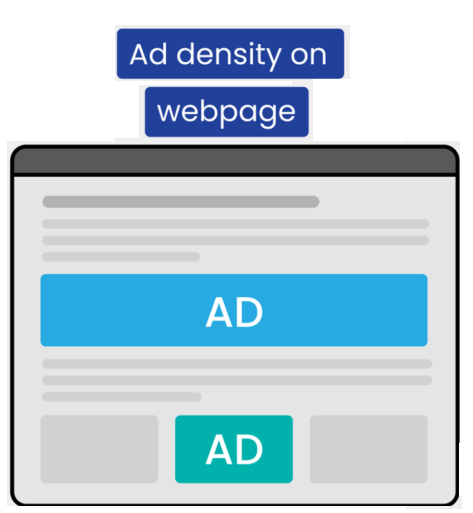
Do not overload pages with too many ad units. This triggers both user annoyance and network policy violations.
Do not place ads where they could be accidentally clicked. “Fat-finger” clicks on mobile generate worthless CTRs that degrade your inventory quality over time .
Do not block your ad tags with content security policies or ad blockers without testing. Many sites inadvertently block their own revenue streams.
Do implement lazy loading. Ads should load only when they are about to enter the viewport. This preserves page speed and improves user experience .
Part 4: Optimization—Moving from “Set and Forget” to Strategic Yield Management
The difference between a publisher who makes pocket money and one who builds a sustainable business is optimization.
4.1 The Metric That Actually Matters: RPM (Revenue Per Mille)
New publishers obsess over CPM. Experienced publishers obsess over RPM.
RPM accounts for fill rate, multiple ad units per page, and network fees. It is the only metric that reflects your true earnings efficiency .
Formula:
RPM = (Estimated Earnings ÷ Pageviews) × 1,000
A site with a $5 CPM but 50% fill rate has an effective RPM of $2.50. A site with a $3 CPM and 100% fill rate earns $3 RPM. Focus on RPM, not CPM.
4.2 The Vanity Metric Trap
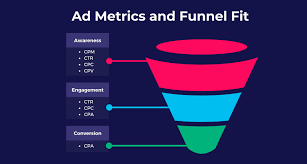
Ad tech platforms are filled with metrics that look good but correlate poorly with actual revenue .
Source:
The paradox: Optimizing for low CPM or high CTR can actually decrease your revenue over time because you attract low-quality advertisers and bot traffic. Focus on attracting premium demand, not cheap clicks.
4.3 Ad Format Optimization: High-Impact Units
Certain ad formats consistently outperform standard display banners.
Video Ads: Video commands CPMs 2–3 times higher than display and can reach 10x in premium inventory. Even simple VAST pre-roll or in-stream video units significantly boost RPMs .
Vignette/Interstitial Ads: Full-screen ads that appear during page transitions. Publishers report up to 5x higher CPMs compared to standard banners .
Parallax Ads: Ads with dynamic visual effects that respond to scrolling. The immersive format increases engagement and CTR .
Push Notifications: Both classic device-level push and in-page push notifications create ongoing monetization opportunities beyond the current session .
⚠️ Balance is critical. High-impact formats generate higher revenue per impression but also carry higher user experience risk. Test them carefully, monitor bounce rates, and be prepared to dial them back if audience metrics decline.
4.4 Viewability Optimization
Ad viewability—whether the ad was actually visible on screen—directly impacts RPM. Aim for 70% or higher viewability rates .
Strategies to improve viewability:
Implement lazy loading (ads load only when scrolled into view)
Use sticky ads in sidebar, header, or footer that remain visible
Ensure responsive design adapts ads to mobile viewports
Avoid placing ads in high-scroll, low-attention zones (bottom corners, after comment sections)
4.5 Dynamic Ad Serving and Header Bidding
For publishers with significant traffic, header bidding is the single most powerful optimization tool.
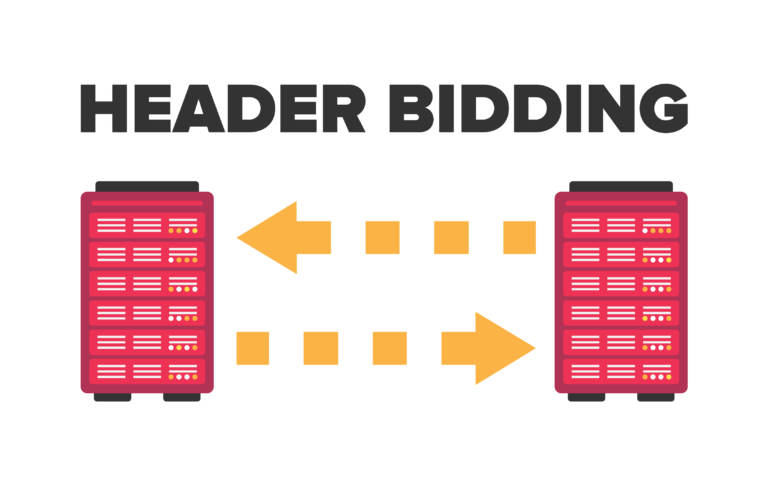
Header bidding allows multiple demand sources (ad networks, DSPs, exchanges) to bid on your inventory simultaneously, in real-time. This creates competition that drives up prices .
Why it matters: Without header bidding, Google AdX or AdSense gets first look at your inventory. With header bidding, all buyers compete equally. The result is significantly higher eCPMs.
Implementation options:
Managed service: MonetizeMore, Ezoic handle header bidding implementation for you
Self-service: Prebid.js (open source) requires significant technical expertise
MonetizeMore’s PubGuru header bidding solution includes advanced features like dynamic AdX floors (using header bid data to set minimum prices) and AI-powered viewability bidding .
Part 5: Diversification—Why You Should Never Rely on a Single Network
5.1 The Single-Network Trap
Relying exclusively on one ad network is dangerous. If that network changes its algorithms, suspends your account (rightly or wrongly), or reduces payouts, your entire revenue stream disappears overnight.
The solution is a diversified monetization stack.
5.2 Building Your Stack by Traffic Tier
Tier 1 (Primary Demand): Your highest-performing network. For beginners, this is AdSense. For established sites, it may be MonetizeMore, Mediavine, or a direct SSP relationship.
Tier 2 (Supplemental Demand): A second network that captures revenue Tier 1 misses. This might be Media.net for contextual, or a vertical network specific to your niche.
Tier 3 (Remnant/Alternative Formats): Networks that monetize inventory Tier 1 and 2 don’t want. PopAds, Adsterra, or Monetag can generate revenue from traffic that display networks monetize poorly.
Tier 4 (Direct Deals): The ultimate diversification. Selling sponsorships or private marketplace deals directly to advertisers yields the highest CPMs. This requires significant traffic and sales effort but is the hallmark of a mature publisher .
5.3 The Technology: How to Manage Multiple Networks
Managing multiple tags manually is chaotic. You need a unified ad management solution.
Google Ad Manager (GAM): The industry standard for larger publishers. Centralizes inventory management, sets up price prioritization, and provides unified reporting.
Yield management partners: MonetizeMore, Ezoic essentially function as outsourced GAM + optimization + demand aggregation.
Header bidding wrappers: Prebid, Amazon TAM, or managed solutions.
Do not simply stack multiple network tags on the same page. This creates conflicts, slows your site, and degrades user experience. Use proper waterfall or header bidding architecture.
Part 6: The 2026 Publisher’s Playbook—Emerging Strategies and Future-Proofing
The advertising landscape is shifting beneath our feet. Third-party cookies are gone. Privacy regulations are tightening. Advertisers are demanding more accountability and outcomes, not just impressions .
6.1 First-Party Data: Your Most Valuable Asset
With third-party cookies deprecated, publishers who own authenticated user relationships command premium CPMs.
Actionable strategies:
Implement user registration. Gating your highest-value content behind lightweight registration (email only, no password required) builds an authenticated audience .
Collect zero-party data. Ask users about their preferences, interests, or purchase intent. Use this data to create audience segments you can sell directly to advertisers.
Integrate identity solutions. Partnerships with unified ID solutions (Trade Desk’s UID2, LiveRamp RampID) make your authenticated inventory addressable.
The metric that matters: ARPU (Average Revenue Per User). Move beyond pageview RPM to understand the lifetime value of your registered users .
6.2 Curated Deals and Private Marketplaces
Open market CPMs are under sustained pressure. Advertisers are shifting budgets to curated inventory—packages of premium, brand-safe, contextually relevant inventory assembled by publishers or SSPs .
How to participate:
Work with your SSP or monetization partner to create curated packages
Package inventory by content vertical, audience segment, or contextual theme
Price these packages at a premium to open exchange rates
If you are not yet in a position to sell direct, your gateway to buyers is through SSP curation programs. Educate your partners on what makes your inventory special .
6.3 Operational Discipline
Success in 2026 is found in the details .
Daily practices:
Review performance data by placement, not just site-wide aggregates
Check bid density—low competition on certain placements may signal setup issues or over-restrictive targeting
Audit block lists to ensure they balance brand safety with revenue opportunity
Optimize viewport ad layouts for common screen dimensions
Monitor invalid traffic (IVT) and use tools like Traffic Cop to block bots proactively
6.4 The Long View: Innovation vs. Fundamentals
Emerging technologies—AI agents, generative creative, Web3—will eventually reshape advertising. But for most publishers, the fundamentals of 2026 are the fundamentals of 2016: understand your audience, create value for advertisers, and execute the basics flawlessly .
Near-term innovation opportunities:
New editorial products that create premium sponsorship moments
First-party data strategies that enable better targeting
Partnerships with complementary publishers for scaled curation deals
Part 7: Troubleshooting—Why Your Revenue Is Stuck (And How to Fix It)
If your ad revenue has plateaued or declined, the cause is almost always one of the following :
7.1 You’re Optimizing the Wrong Metrics
Symptoms: Great CTR, great viewability, low CPMs, flat revenue.
Diagnosis: You are attracting low-quality demand—”junk food” inventory that looks good in dashboards but doesn’t convert for advertisers. Advertisers stop bidding on your inventory over time.
Fix: Stop chasing CTR and low CPM. Focus on attracting premium demand through header bidding and dynamic price floors .
7.2 Your Ad Experience Is Driving Users Away
Symptoms: Increasing bounce rates, decreasing pages per session, flat or declining traffic despite good content.
Diagnosis: Your ad placements have crossed the line from monetization to harassment. Users are leaving and not coming back.
Fix: Audit your user experience. Remove the most intrusive units. Test a “lighter” ad load and measure whether increased retention offsets lower per-session revenue.
7.3 You’re Not Testing
Symptoms: You implemented your ads six months ago and haven’t touched them since.
Diagnosis: You are leaving money on the table.
Fix: Implement A/B testing for ad layouts. Test different positions, formats, densities, and colors. Even incremental improvements compound significantly over time .
7.4 You’ve Been Hit by Invalid Traffic
Symptoms: Sharp revenue decline, account warnings from ad networks.
Diagnosis: Bots are clicking your ads, or your ad network’s fraud detection has flagged your inventory.
Fix: Implement IVT detection. MonetizeMore’s Traffic Cop, which won the Google Innovation Award twice, can reduce undetected invalid traffic to under 1% . Clean your traffic sources.
Conclusion: The Path Forward
Monetizing a website with ad networks is not a “set and forget” proposition. It is an ongoing process of selection, implementation, measurement, and optimization.
The beginner’s path:
Start with Google AdSense. Learn the basics.
Add one supplemental network (Media.net, a vertical network, or an alternative format network).
Experiment with placements and formats.
Reinvest time and revenue into growing your traffic.
The advanced path:
Qualify for a premium managed partner (MonetizeMore, Mediavine, AdThrive).
Implement header bidding and dynamic yield optimization.
Diversify into direct deals and private marketplaces.
Build first-party data assets that command premium CPMs.
The expert’s path:
Treat your ad inventory as a product, not a commodity.
Understand your users deeply and segment them by value.
Create differentiated value for advertisers beyond the open exchange.
Balance short-term revenue optimization with long-term audience equity.
The publishers who succeed in 2026 and beyond will be those who recognize that ad networks are tools, not solutions. The tool connects you to demand. The solution is your audience, your content, and your ability to create value for both users and advertisers.
Choose your partners wisely. Optimize relentlessly. Never stop learning.
Your audience is already there. Now it’s time to get paid.