Custom Android Skins 2026: One UI vs. ColorOS vs. HyperOS vs. Stock Android
Introduction: The Android Identity Crisis That Became Its Greatest Strength
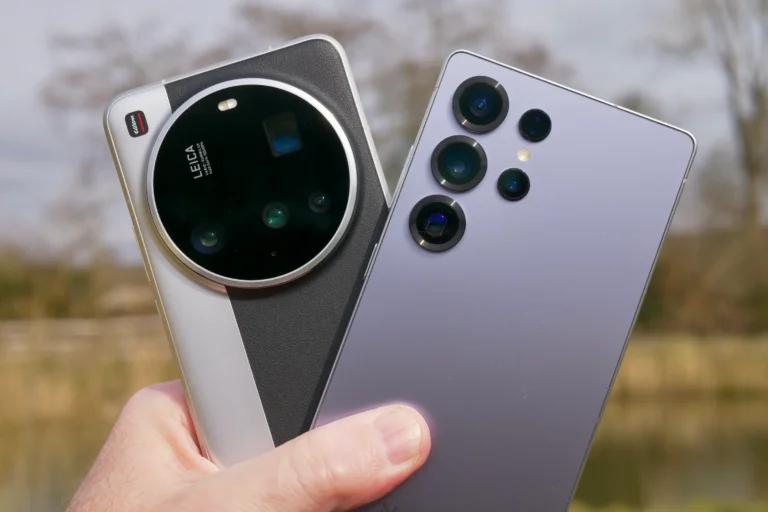
When you buy an iPhone, you know exactly what you’re getting. The software experience is identical whether you’re in New York, London, or Tokyo. When you buy an Android phone, you’re buying into a philosophy of choice—but that choice comes with a dizzying array of software experiences. Samsung’s One UI feels nothing like Xiaomi’s HyperOS, which feels nothing like Oppo’s ColorOS, which feels nothing like the clean Pixel experience.
This is Android’s greatest strength and its most confusing feature.
For years, critics dismissed custom Android skins as “bloatware” that slowed down phones and delayed updates. But in 2026, that criticism feels increasingly outdated. The major Android manufacturers have matured their software into sophisticated platforms with distinct personalities, each offering genuine value beyond what stock Android provides .
This comprehensive guide compares the four most significant Android experiences available today: Samsung’s One UI, Oppo’s ColorOS, Xiaomi’s HyperOS (the evolution of MIUI), and Google’s Stock Android (Pixel UI). We’ll explore their design philosophies, feature sets, performance characteristics, and—most importantly—which type of user each one serves best.
Part 1: Stock Android (Pixel UI) – The Baseline
Philosophy: “Google’s Vision, Unfiltered”
Stock Android represents Google’s pure vision for the operating system. It’s the cleanest, most minimal interpretation of what Android should be—free from manufacturer customizations, duplicate apps, or visual flourishes that don’t serve a clear purpose .
Who builds it: Google, exclusively for Pixel devices and a handful of Android One phones .
The 2026 Experience: Android 16 on Pixel
Google’s Pixel UI in 2026 is defined by Material You design language that has matured into “Material 3 Expressive”—a visual system that prioritizes personalization through color extraction from wallpapers while maintaining exceptional clarity . The experience is notably minimal: no duplicate apps, no manufacturer-specific stores, no pre-installed games or utilities you didn’t ask for .
Key Features:
AI Integration: Google’s on-device AI powers features like Magic Eraser, Live Translate, and Call Screen. The Pixel’s AI capabilities are deeply integrated, not bolted on .
Fast Updates: Pixel devices receive Android updates directly from Google on the day they’re released, often months before other manufacturers .
Clean Interface: No duplicate apps—you get Google’s Messages, Phone, and Chrome, not a second set of manufacturer alternatives .
Security Priority: Monthly security patches arrive consistently, and Google Play Protect benefits from Google’s direct oversight .
Performance Profile
Stock Android is the performance benchmark. With minimal background processes and no system-level “optimization” features competing for resources, a Pixel phone with 8GB of RAM can dedicate 5-6GB purely to active applications . This translates to:
Gaming: 55-60 FPS stable in Genshin Impact at highest settings
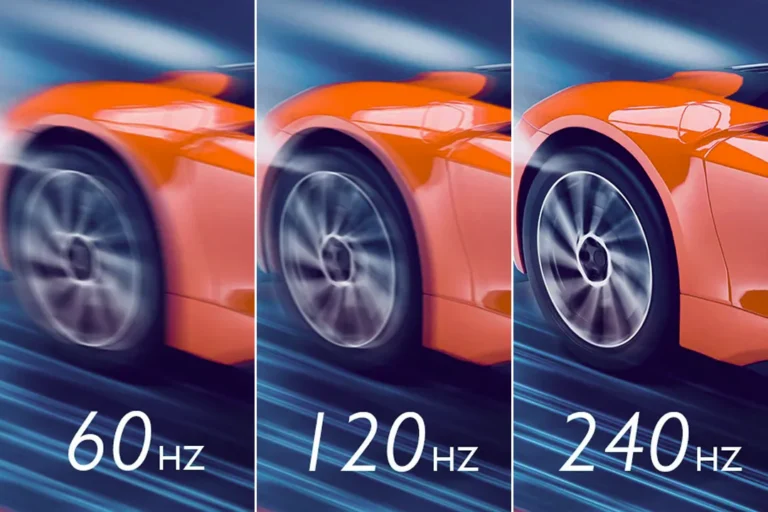
Scrolling: Butter-smooth 120Hz performance with zero stutter
App switching: Instant resume with no background app killing
The gaming comparison data from GadgetSpecs Malaysia shows stock Android achieving a 9.4/10 overall gaming score—the highest of any Android variant—precisely because of this resource efficiency .
Who Should Choose Stock Android
Stock Android is for users who value simplicity, speed, and updates above all else . If you want your phone to “just work” without digging through settings to disable manufacturer features, if you want the latest Android version the day it’s released, and if you prefer Google’s apps over manufacturer alternatives, the Pixel experience is unmatched .
Best For:
Users coming from iPhone who want a clean, simple experience
Developers who need the latest Android versions for testing
Privacy-conscious users who want minimal manufacturer data collection
Anyone who dislikes duplicate apps and “bloatware”
Best Phones: Google Pixel 10 Pro XL, Pixel 10a, Nothing Phone 3 (near-stock)
Part 2: Samsung One UI – The Feature-Rich Powerhouse
Philosophy: “One-Handed Power That Stumbled”
When Samsung launched One UI in late 2018, it was revolutionary. The entire interface was redesigned around one-handed use—interactive elements moved to the bottom third of the screen, while the top third was reserved for simply reading content . The name “One UI” itself reflected this focus: one-handed usability above all else.
By 2026, that founding philosophy has become more complicated. As Android Authority’s critical review of the One UI 8.5 beta notes, Samsung seems to have lost focus on what made One UI special. The settings app finally moved its search button to the bottom of the screen, but other Samsung apps still keep search at the top, creating frustrating inconsistency .
Who builds it: Samsung, for Galaxy A, S, and Z series devices .
The 2026 Experience: One UI 8.5
One UI 8.5 builds on Android 16 with Samsung’s characteristic feature density. The interface remains recognizable—rounded corners, soft shadows, and that distinctive Samsung typography—but the feature list has grown tremendously .
Key Features:
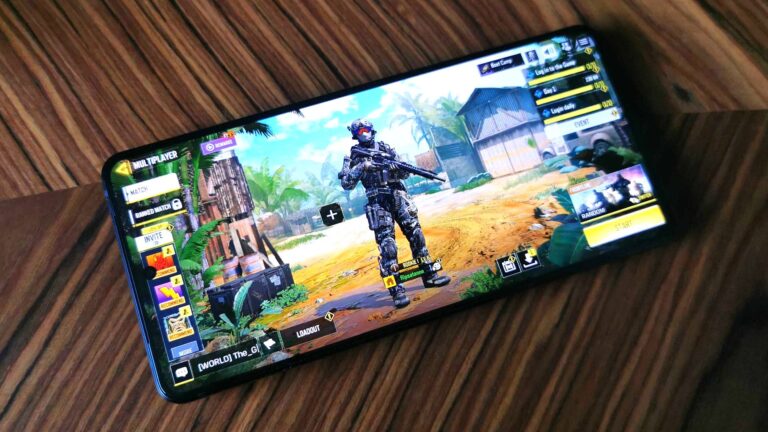
The gaming performance is strong—Samsung’s One UI 7 earned a 9.0/10 from GadgetSpecs Malaysia, placing it behind only stock Android and iOS . Game Booster dynamically allocates resources and can block notifications during gaming sessions.
The One-Handed Paradox
Here’s the tension in 2026: Samsung’s phones keep getting larger. The Galaxy S26 Ultra is bigger than ever. Yet One UI’s one-handed features haven’t kept pace .
The Quick Settings panel is the perfect example. Google’s implementation places settings and power buttons at the bottom where thumbs can reach them. One UI keeps them at the top. Users can customize almost everything in Quick Settings—except the position of these critical buttons .
As one Android Authority commenter noted: “If Samsung had already gone to the effort of letting users move everything else, why not these buttons?”
Who Should Choose One UI
Despite these criticisms, One UI remains the most feature-complete Android skin available. If you want to tweak every aspect of your phone’s appearance and behavior, if you use DeX for desktop-like productivity, and if you’re invested in Samsung’s ecosystem (Galaxy Watch, Galaxy Buds, Galaxy Tab), One UI is unmatched .
Best For:
Power users who want maximum features and customization
Samsung ecosystem users
Users who value long-term software support (4-5 years of updates)
People who actually use DeX for presentations or light work
Best Phones: Galaxy S26 series, Galaxy Z Fold 7, Galaxy Z Flip 7
Part 3: Oppo ColorOS – The Smooth Operator
Philosophy: “Light and Effortless”
Oppo’s ColorOS has undergone one of the most dramatic transformations in Android history. Once criticized for its iPhone-like cloning, ColorOS has evolved into a refined, distinctive interface built around the philosophy of being “light and effortless” . The current slogan, “Fluid本色, AI出色” (Fluid by nature, outstanding by AI), captures the dual focus on buttery animations and intelligent features .
Who builds it: Oppo, with close variants on Realme (Realme UI) and OnePlus (OxygenOS) devices .
The 2026 Experience: ColorOS 16
ColorOS 16 represents Oppo’s most mature software yet. The visual design uses a “light field” aesthetic with subtle translucency and careful attention to animation physics. Every transition feels considered, every swipe has appropriate weight .
Key Features:
The “Fluid Cloud” feature is particularly innovative—it’s a dynamic notification system that shows relevant information without being intrusive. When you order food, a small capsule expands to show delivery progress. When you’re gaming, it quietly shows match status .
The OnePlus Connection
OnePlus phones running OxygenOS are essentially ColorOS with a different visual skin. The underlying code and features are shared, though OnePlus emphasizes a slightly cleaner, more stock-like aesthetic . For users who want ColorOS’s smoothness but prefer a more minimal look, OnePlus is the answer.
Who Should Choose ColorOS
ColorOS appeals to users who value smoothness and intelligence above raw features. Oppo’s focus on animation physics and AI assistance creates an experience that feels responsive and helpful without overwhelming you with options .
Best For:
Users upgrading from older phones who want a modern, fluid experience
People who use multiple devices (ColorOS’s iPhone integration is genuinely useful)
Users who want AI features that actually help rather than just being marketing bullet points
Those who appreciate thoughtful animation design
Best Phones: Oppo Find N5, Oppo Find X8 Pro, OnePlus 15, Realme GT 7 Pro
Part 4: Xiaomi HyperOS – The Ecosystem Unifier
Philosophy: “Beyond Mobile”
Xiaomi’s HyperOS represents a fundamental rethinking of what a phone operating system should be. Launched as the successor to MIUI, HyperOS is designed from the ground up as a unified system for Xiaomi’s entire ecosystem—phones, tablets, wearables, smart home devices, and even cars .
Who builds it: Xiaomi, for Xiaomi and POCO devices .
The 2026 Experience: HyperOS 4
HyperOS 4, expected in August 2026, represents a major milestone: the first “zero legacy” version that completely removes MIUI-era code . Core applications have been rewritten using Flutter and Rust, creating a more modular, efficient system.
Key Features:
The “Super Island” notification system is HyperOS’s answer to Apple’s Dynamic Island—a pill-shaped area around the front camera that expands to show relevant information . Combined with the dynamic lock screens, HyperOS offers the most visually dynamic interface of any Android skin.
The Self-Reliance Strategy
Xiaomi’s long-term vision extends beyond just software. The company aims for a “full house” of self-developed technologies in 2026: the Xuanjie self-developed chip, HyperOS, and Xiaomi’s AI large model working together in flagship devices . This integration could eventually reduce Xiaomi’s dependence on Qualcomm and Google, creating a more vertically integrated experience.
Who Should Choose HyperOS
HyperOS is for users who are invested in Xiaomi’s ecosystem or who want the most visually expressive interface available . The deep integration with Xiaomi’s extensive product lineup—from robot vacuums to electric scooters to cars—creates a cohesive experience that other manufacturers can’t match.
Best For:
Xiaomi ecosystem users (Mi Band, Mi Home devices, Xiaomi cars)
Users who want maximum visual customization and dynamic effects
Budget-conscious users (Xiaomi and POCO offer excellent value)
Tech enthusiasts interested in watching a major platform evolution
Best Phones: Xiaomi 15 Ultra, Xiaomi 15 Pro, POCO F7 Pro
Part 5: Side-by-Side Comparison
Sources: Compiled from
Part 6: The Performance Reality – Gaming and Daily Use
Gaming Performance: Stock Still Rules
GadgetSpecs Malaysia’s comprehensive 2026 gaming OS rankings provide objective data on how these skins perform under load :
Stock Android’s advantage comes from its minimalism. With no background services competing for CPU time, games get maximum resources. However, skins like One UI and ColorOS have closed the gap significantly with intelligent resource allocation that only activates when gaming .
Long-Term Smoothness
This is where the skins diverge most dramatically:
Stock Android: Stays smooth throughout its life because there’s nothing to slow down .
One UI: Samsung’s One UI has historically maintained good performance, though heavy customization can take a toll over years.
ColorOS: Oppo’s “Apex Guard” technology specifically targets long-term smoothness, with claims of 48-month fluency .
HyperOS: Xiaomi’s rewrite in Rust and Flutter aims to eliminate the code bloat that caused older MIUI devices to slow down .
Battery Life Considerations
Stock Android’s efficiency is excellent, but it lacks the aggressive background management that skins provide. ColorOS and HyperOS can extend battery life by intelligently restricting background activity—useful for users who don’t need instant notifications from every app.
Part 7: Privacy and Security – The Hidden Differentiator
Stock Android: Google’s Watchful Eye
Stock Android benefits from Google’s direct security oversight. Security patches arrive monthly, and Google Play Protect scans apps continuously. However, users concerned about Google’s data collection may find the tight integration problematic .
One UI: Samsung Knox
Samsung’s Knox platform is the gold standard for hardware-level security. It creates a physically isolated environment for sensitive data and has earned government certifications worldwide. One UI 8.5 continues this legacy with enhanced fraud detection and secure folder features .
ColorOS and HyperOS: The China Question
Both Oppo and Xiaomi face skepticism from privacy-conscious users due to their Chinese origins. In practice, international versions of ColorOS and HyperOS use Google’s services and comply with local privacy laws. ColorOS 16’s iPhone communication sharing, for example, works entirely on-device . Xiaomi has committed to transparent data policies for HyperOS .
The reality is that all major Android skins collect some usage data—the difference is in transparency and control.
Part 8: Which Skin Should You Choose in 2026?
Decision Framework
Choose Stock Android if:
You want the fastest updates and cleanest interface
You’re coming from iPhone and want simplicity
You’re a developer needing latest Android versions
You hate duplicate apps and manufacturer “features”
You want maximum gaming performance
Choose One UI if:
You want the most features and deepest customization
You’re invested in Samsung’s ecosystem (Watch, Buds, Tab)
You use DeX for presentations or light work
You want long software support (4-5 years)
Choose ColorOS if:
You value smooth animations and thoughtful design
You use both iPhone and Android (iPhone communication sharing)
You want AI features that actually help daily
You prefer a balanced, feature-rich experience
Choose HyperOS if:
You’re building a Xiaomi smart home ecosystem
You want the most visually dynamic interface
You’re excited about watching platform evolution
You want maximum value (Xiaomi/POCO hardware)
The Ecosystem Trap
The most important consideration in 2026 may not be the skin itself, but the ecosystem it connects to. Samsung users get seamless Galaxy Watch integration. Xiaomi users control their robot vacuum from Quick Settings. Oppo users can share files with iPhones effortlessly.
Your choice of Android skin is increasingly a choice of which digital ecosystem you want to live in.
Conclusion: No Wrong Answers, Only Different Priorities
The custom Android skin landscape in 2026 is more sophisticated than ever. Stock Android remains the purist’s choice, delivering Google’s vision with speed and simplicity. One UI offers a feature-rich powerhouse for users who want maximum control. ColorOS provides a beautifully fluid experience with genuinely helpful AI. HyperOS builds toward an integrated ecosystem future.
Each has strengths. Each has trade-offs. And for the first time, each offers a genuinely compelling reason to choose it beyond just “it came on my phone.”
The best Android skin in 2026 isn’t the one with the most features or the highest benchmark scores. It’s the one that aligns with how you use your phone, what other devices you own, and what you value in a smartphone experience.
Choose wisely, and your phone will feel like it was built just for you.