DNS Nameservers
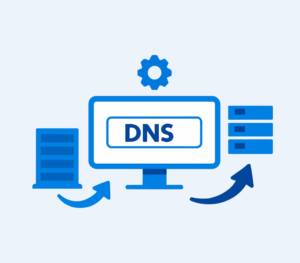
DNS Nameservers: The Internet’s Distributed Directory System
Introduction: The Beating Heart of Internet Navigation
DNS nameservers constitute the foundational infrastructure that transforms human-readable domain names into machine-readable IP addresses, enabling the internet as we know it. These specialized servers perform what appears to be simple translation but represents one of the most sophisticated and critical distributed systems ever created. From their hierarchical architecture to their complex operational requirements, nameservers embody both the elegance and fragility of global internet infrastructure.
As Paul Mockapetris, co-inventor of DNS, observed: “The DNS is like the phone book of the internet, but imagine if the phone book were constantly being rewritten, available in every language, and could find anyone on Earth in milliseconds.” This article provides a comprehensive examination of DNS nameservers, their architecture, operations, security considerations, and evolving roles in modern networking.
1. Understanding DNS Nameserver Fundamentals
1.1 Core Function and Purpose
DNS nameservers perform three primary functions:
Name resolution: Translating domain names to IP addresses
Reverse resolution: Mapping IP addresses back to domain names
Service discovery: Locating services within domains (SRV records, MX records)
Key Characteristics:
Distributed database architecture
Hierarchical delegation system
Caching mechanisms for performance
Zone-based data management
1.2 The Resolution Process
User Query → Resolver → Root Server → TLD Server → Authoritative Server → Response
    (www.example.com)    (.)           (.com)        (example.com)     (192.0.2.1)
Recursive vs. Iterative Resolution:
Recursive resolution: Resolver performs complete lookup on client’s behalf
Iterative resolution: Each server provides referral to next server in hierarchy
Modern reality: Most resolution uses recursive resolvers that cache results
2. Types of DNS Nameservers
2.1 Root Nameservers
Architecture and Operation:
13 logical root servers (A through M) with 1,700+ physical instances
Operated by 12 independent organizations
Contain TLD (Top-Level Domain) delegations only
Response typically contains referral to appropriate TLD servers
Critical Functions:
Starting point for all DNS resolution (except cached responses)
DNSSEC trust anchor distribution
Load distribution through anycast technology
Operational Challenges:
Constant DDoS attack mitigation
Geographic distribution balancing
Protocol evolution management
2.2 TLD (Top-Level Domain) Nameservers
Categories:
Generic TLDs (gTLDs): .com, .org, .net (operated by various registries)
Country-code TLDs (ccTLDs): .us, .uk, .de (operated by national entities)
New gTLDs: .app, .blog, .gaming (post-2012 expansion)
Responsibilities:
Maintain authoritative data for all domains within TLD
Provide referrals to domain authoritative nameservers
Implement TLD-specific policies (DNSSEC, registration requirements)
Scale Considerations:
.com registry handles ~160 million domains
Peak query rates exceed 8 billion queries per day
Multi-region anycast deployment essential
2.3 Authoritative Nameservers
Domain-Specific Authority:
Hold authoritative zone data for specific domains
Respond to queries for records within their zones
Implement zone transfers to secondary servers
Common Configurations:
Primary (Master): Original source of zone data
Secondary (Slave): Replicate zone data from primary
Hidden Master: Primary not published in NS records
Stealth Secondary: Secondary not published in NS records
Enterprise Architectures:
Typical Setup:
Primary NS (hidden) → Zone Transfer → Secondary NS (published)
        ↑                                      ↑
    Zone Editing                          Client Queries
2.4 Recursive Resolvers (Caching Nameservers)
Client-Facing Role:
Accept queries from client applications
Traverse DNS hierarchy to find answers
Cache responses for performance
Implement security features
Major Public Resolvers:
Google Public DNS: 8.8.8.8, 8.8.4.4
Cloudflare 1.1.1.1: Emphasizes privacy
Quad9: 9.9.9.9 with security filtering
OpenDNS: Now part of Cisco Umbrella
Enterprise Resolvers:
Bind, Unbound, Knot Resolver, PowerDNS Recursor
Often integrate with DHCP and directory services
Implement split-horizon DNS for internal/external resolution
3. Nameserver Architecture and Implementation
3.1 Software Implementations
Leading DNS Server Software:
BIND (Berkeley Internet Name Domain):
Most widely deployed DNS software
Full-featured: authoritative, recursive, DNSSEC
Current version: BIND 9 (actively maintained by ISC)
Key features: Response Policy Zones, Catalog Zones, DNSSEC automation
PowerDNS:
Modular architecture with separate backends
Authoritative Server: Multiple database backends
Recursor: High-performance caching resolver
Distinguishing feature: API-driven configuration
Knot DNS:
High-performance authoritative server
Developed by CZ.NIC (.cz registry operator)
Specialty: Extremely fast zone handling
Knot Resolver: Modern recursive implementation
Unbound:
Validating, recursive, caching DNS resolver
Focus on security and DNSSEC validation
Developed by NLnet Labs
Feature: Aggressive DNSSEC caching
Windows DNS Server:
Integrated with Active Directory
Supports dynamic updates
DNS Policies for complex scenarios
3.2 Hardware and Infrastructure
Server Specifications:
CPU: Multi-core processors (DNS is generally CPU-bound)
Memory: Ample RAM for cache (especially for recursive resolvers)
Network: High-throughput NICs, preferably 10Gbps+
Storage: SSDs for zone files and logging
Anycast Deployment:
Same IP address advertised from multiple locations
BGP routes queries to nearest instance
Benefits: DDoS resilience, reduced latency, load distribution
Implementation: Root and TLD servers extensively use anycast
Capacity Planning Metrics:
Queries per second (QPS) capacity
Concurrent connections
Cache hit ratios
DNSSEC validation overhead
4. Zone Management and Operations
4.1 Zone File Structure
Basic Components:
$TTL 86400
@       IN SOA   ns1.example.com. admin.example.com. (
                  2024010101 ; serial
                  3600       ; refresh
                  1800       ; retry
                  604800     ; expire
                  86400 )    ; minimum TTL

@       IN NS    ns1.example.com.
@       IN NS    ns2.example.com.
@       IN A     192.0.2.1
www     IN A     192.0.2.1
mail    IN MX 10 mail.example.com.
Record Types:
SOA (Start of Authority): Zone parameters
NS (Name Server): Authoritative servers for zone
A/AAAA: IPv4/IPv6 address records
CNAME: Canonical name (alias)
MX: Mail exchange
TXT: Text records (SPF, DKIM, DMARC)
SRV: Service location
PTR: Reverse lookup
4.2 Zone Transfers
AXFR (Full Transfer):
Complete zone transfer
Initiated when secondary first connects or serial indicates major changes
TCP protocol (port 53)
IXFR (Incremental Transfer):
Only changed records transferred
Requires support from both primary and secondary
More efficient for large zones
Security Mechanisms:
TSIG (Transaction Signature): HMAC-based authentication
SIG(0): Public key cryptography
Zone Transfer ACLs: IP-based restrictions
4.3 Dynamic Updates
RFC 2136 Mechanism:
Allows clients to update DNS records programmatically
Common in DHCP environments
Security imperative: Must be tightly controlled with TSIG or ACLs
DDNS (Dynamic DNS) Use Cases:
Home networks with changing IP addresses
Cloud environments with ephemeral instances
IoT device registration
5. Performance Optimization Techniques
5.1 Caching Strategies
TTL (Time to Live) Management:
Balance between freshness and performance
Common TTL values:
Frequently changing: 300-900 seconds
Moderately stable: 3600-86400 seconds
Infrastructure records: 86400+ seconds
Cache Architecture:
Negative caching: Storing NXDOMAIN responses
Prefetching: Anticipating likely queries
Cache sharing: Between resolver instances
5.2 Load Distribution Methods
DNS Load Balancing:
Round-robin A/AAAA records: Simple rotation
Weighted round-robin: Assign different weights to servers
GeoDNS: Different responses based on client location
Latency-based routing: Direct to fastest endpoint
Anycast Benefits:
Automatic failover between locations
Reduced latency through proximity
DDoS attack absorption
5.3 Protocol Optimizations
EDNS (Extension Mechanisms for DNS):
Larger UDP payloads (up to 4096 bytes)
Client subnet information (ECS)
DNS Cookie for DDoS mitigation
TCP Fallback and Persistence:
TCP for large responses (>512 bytes without EDNS)
TCP Fast Open: Reduced connection establishment time
Persistent connections: For repeated queries
6. Security Considerations and Hardening
6.1 Common Attacks and Mitigations
DDoS Attacks:
Amplification attacks: Using DNS responses larger than queries
Mitigation: Rate limiting, Response Rate Limiting (RRL), anycast dispersion
Monitoring: Anomaly detection for query patterns
Cache Poisoning:
Kaminsky attack: Exploiting transaction ID predictability
Mitigation: Source port randomization, DNSSEC, 0x20 encoding
Best practice: Use cryptographic randomness for IDs
Zone Enumeration:
AXFR/IXFR abuse: Unauthorized zone transfers
Mitigation: Restrict zone transfers, use TSIG authentication
Alternative: Zone Walking via DNSSEC NSEC records (addressed with NSEC3)
6.2 DNSSEC Implementation
Signing Infrastructure:
Zone Signing Key (ZSK): Signs individual records
Key Signing Key (KSK): Signs DNSKEY records
Rollover procedures: Automated key rotation
Validation Requirements:
Recursive resolvers must validate signatures
Chain of trust from root to leaf
DLV (DNSSEC Lookaside Validation): Historical alternative to root trust
Operational Challenges:
Key management complexity
Increased response sizes
Validation latency
6.3 Access Control and Monitoring
Server Hardening:
Run as non-root user: Principle of least privilege
Chroot/jail environments: Isolate DNS processes
Network segmentation: Separate management interfaces
Query Control:
ACLs for queries: Restrict which clients can query
QPS limiting: Prevent resource exhaustion
Query logging: For security auditing
Monitoring Essentials:
Query rates by type and source
Cache hit ratios
DNSSEC validation success rates
Zone transfer frequencies
7. Advanced Nameserver Features
7.1 Response Policy Zones (RPZ)
DNS Firewalling:
Policy-driven response modification
Use cases: Malware domain blocking, content filtering
Implementation: BIND, PowerDNS, Knot DNS support
Policy Actions:
NXDOMAIN: Return “domain does not exist”
NODATA: Return empty answer
Passthru: Allow normal resolution
Local data: Return alternative records
7.2 DNS over Encrypted Transports
DoT (DNS over TLS):
TCP port 853
TLS encryption of DNS traffic
Server implementation: Unbound, Knot Resolver, BIND 9.11+
DoH (DNS over HTTPS):
HTTP/2 or HTTP/3 over port 443
Leverages existing web infrastructure
Implementation: Cloudflare, Google, PowerDNS Recursor
DoQ (DNS over QUIC):
RFC 9250 standard
QUIC transport protocol benefits
Early adopters: AdGuard, Cloudflare
7.3 Specialized Resolver Features
DNS64/NAT64:
IPv6 to IPv4 translation at DNS level
Enables IPv6-only clients to reach IPv4-only services
Implementation: BIND, Unbound, PowerDNS Recursor
Anonymization Features:
QNAME minimization: RFC 9156, reduces privacy leakage
Aggressive NSEC caching: Reduces DNSSEC-related queries
DNS query name anonymization: Hashes query names in logs
8. Operational Best Practices
8.1 Redundancy and Failover
Nameserver Deployment Rules:
Minimum of two geographically separated nameservers
Different network providers when possible
ICANN requirement: For gTLDs, at least two independent nameservers
Health Checking:
Active monitoring: Regular query testing
RTT monitoring: Response time thresholds
Automated failover: BGP withdrawal for anycast, DNS response adjustment
8.2 Change Management
Zone Update Procedures:
Test changes in staging environment
Update serial number incrementally
Deploy to hidden master first
Verify zone transfer success
Monitor query responses
Rollback Planning:
Previous zone file versions retained
Rapid serial number reversion capability
Client-side caching considerations
8.3 Capacity Management
Scaling Strategies:
Vertical scaling: More powerful servers
Horizontal scaling: More servers behind load balancer
Anycast scaling: Geographic distribution
Performance Metrics:
Queries per second per core: Typically 50,000-100,000 for modern hardware
Cache efficiency: Target >90% hit rate for recursive resolvers
DNSSEC validation overhead: 10-30% performance impact
9. Emerging Trends and Future Directions
9.1 Protocol Evolution
DNS Stateful Operations:
Maintaining connection state between queries
Potential performance improvements
Draft status: Early development in IETF
Enhanced Service Discovery:
SVCB/HTTPS records: RFC 9460, improves HTTPS performance
Automated service registration: Integration with orchestration systems
9.2 Privacy Enhancements
Oblivious DNS:
ODoH: Oblivious DNS over HTTPS (RFC 9230)
Separates query identity from content
Implementation: Cloudflare, Apple, Cloud DNS
Encrypted Zone Transfers:
XFR-over-TLS (RFC 9103)
Protects zone data in transit
Particularly important for secondary servers
9.3 Automation and Orchestration
Infrastructure as Code:
Terraform providers: For DNS record management
GitOps for DNS: Zone files in version control
CI/CD pipelines: Automated testing and deployment
API-Driven Management:
Provider APIs: AWS Route 53, Google Cloud DNS, Azure DNS
Standardization efforts: DNS API working groups
Benefits: Integration with cloud orchestration tools
9.4 Specialized Hardware and Acceleration
DPDK (Data Plane Development Kit):
Kernel bypass for high-performance DNS
Use case: Authoritative servers under extreme load
Implementation: PowerDNS dnsdist, Knot DNS
SmartNIC Offloading:
DNS processing on network interface cards
Reduces server CPU load
Emerging technology with limited deployment
10. Troubleshooting and Diagnostics
10.1 Essential Tools
Command Line Utilities:
dig: Detailed query tool with extensive options
dig example.com A +trace +multilinenslookup: Interactive query tool
host: Simplified DNS lookup
drill: DNSSEC-aware dig alternative
Network Analysis:
tcpdump/wireshark: Packet capture and analysis
dnstop: DNS traffic monitoring
dnsdiag: Diagnostic toolkit
10.2 Common Issues and Solutions
Propagation Problems:
Cause: TTL values too high, caching resolvers
Solution: Lower TTL before changes, wait for expiration
Verification: Query from multiple locations and resolvers
DNSSEC Validation Failures:
Diagnosis:
dig +sigchase +trusted-key=Common causes: Expired signatures, key rollover issues
Resolution: Check zone signing schedule, verify chain of trust
Performance Degradation:
Investigation Steps:
Check server resource utilization
Analyze query patterns
Review cache statistics
Monitor network latency
Common fixes: Increase cache size, optimize zone files, implement anycast
Conclusion: The Invisible Infrastructure
DNS nameservers represent one of the internet’s most critical yet least visible infrastructures. Their continuous, flawless operation is essential for virtually all networked activities, from web browsing to email delivery, from cloud services to IoT device communication. The evolution of nameserver technology—from simple text files to sophisticated distributed systems with advanced security and privacy features—mirrors the internet’s own growth from academic network to global infrastructure.
As we look to the future, nameservers face both challenges and opportunities:
Security imperatives: Continuing arms race with attackers
Privacy requirements: Balancing operational needs with user privacy
Scale demands: Supporting billions of devices and queries
Protocol evolution: Adapting to new transport and encryption standards
The most successful nameserver operations will be those that embrace automation, prioritize security without sacrificing performance, and maintain the flexibility to adapt to evolving internet architecture. Whether operating a small authoritative server for a local business or managing global anycast infrastructure for a TLD registry, the principles remain the same: redundancy, monitoring, security, and constant evolution.
In the words of Cricket Liu, DNS expert and author: “DNS is like oxygen: nobody notices it until it’s missing. The best DNS operations are the ones nobody talks about because they never fail.” This quiet reliability, achieved through meticulous engineering and operational excellence, remains the ultimate goal for all nameserver operators.
Appendices and Resources
Recommended Implementations by Use Case
High-performance authoritative: Knot DNS, BIND 9
Flexible authoritative with database backend: PowerDNS
Validating recursive resolver: Unbound, Knot Resolver
Enterprise integrated DNS: Windows DNS Server, BIND
DNS firewall/distribution: dnsdist, BIND RPZ
Monitoring and Management Tools
Prometheus exporters: node_exporter, bind_exporter, powerdns_exporter
Log analysis: Graylog, Elastic Stack for DNS logs
Configuration management: Ansible, Puppet, Chef DNS modules
Visualization: Grafana DNS dashboards
Learning Resources
Books: “DNS and BIND” by Cricket Liu, “Pro DNS and BIND” by Ron Aitchison
Online courses: Coursera “Internet History, Technology, and Security”
Certifications: ISC DNS courses, Cisco DNS certifications
Communities: DNS-OARC, NANOG, ICANN DNS symposia
DNS nameservers continue to evolve, but their fundamental role as the internet’s directory service remains constant—a testament to the elegant design and robust implementation of this critical infrastructure component.