Beyond the Book: How E-Ink is Evolving into a Versatile Productivity Technology
More Than Meets the Eye: The Quiet Revolution of Electronic Paper
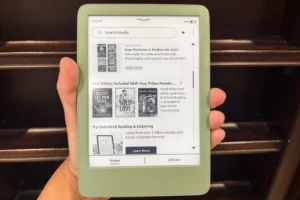
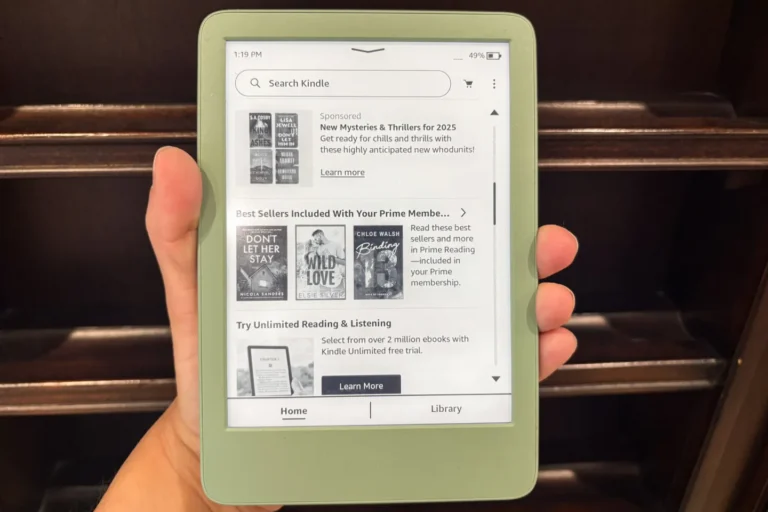
For over two decades, E-Ink has been synonymous with one device: the e-reader. Its paper-like display, effortless sunlight readability, and week-long battery life made it the perfect vessel for digital books. Yet, while consumers were focused on Kindle libraries, a quiet revolution was brewing. The very qualities that made E-Ink ideal for leisurely reading—its low power draw, visual comfort, and focus-enhancing clarity—are now driving its expansion into a surprising array of professional and personal tools. E-Ink is breaking free from the confines of the e-reader, emerging as a versatile technology for productivity, creativity, and digital wellness.
The Core Appeal: Why E-Ink for More Than Reading?
The expansion is fueled by E-Ink’s unique physical properties, which solve specific modern digital pain points:
Reduced Eye Strain & Enhanced Focus: Unlike emissive LCD/LED screens that project light directly into your eyes, E-Ink is reflective, using ambient light like paper. It is completely matte and flicker-free, eliminating glare and the constant, subtle strobe of backlights that contribute to digital eye strain. This creates a calmer, more focused visual experience, ideal for long-form writing, coding, or reading.
Extreme Power Efficiency: An E-Ink display only consumes power when the image changes. Once text or an image is rendered, it remains visible with zero energy draw. This translates to devices that can last weeks or even months on a single charge, a stark contrast to the daily charging cycle of tablets and laptops.
Sunlight Readability: While traditional screens wash out in direct light, E-Ink displays become clearer and more contrast-rich, making them perfect for outdoor use, from construction sites to park benches.
A Different Cognitive Mode: The slow, deliberate nature of E-Ink (outside of fast refresh modes) and its distraction-free, high-contrast text seem to encourage deeper concentration, akin to the difference between reading a physical book and scrolling a social media feed.
The New Frontier: Key Applications Beyond E-Readers
1. Secondary Monitors for Deep Work
The most significant development for knowledge workers is the rise of dedicated E-Ink monitors. These are not replacements for your main screen but specialized companions for specific tasks.
The Use Case: Imagine a vertical screen dedicated solely to your code editor, reference PDFs, or manuscript draft. With no notifications, vibrant colors, or backlight to pull your attention, it becomes a tunnel-vision tool for writing and programming. Companies like Dasung and Boox offer monitors like the Paperlike HD-FT that connect via HDMI or USB-C.
Benefits: Dramatically reduced eye fatigue during marathon sessions, the ability to work comfortably near windows or outdoors, and a forced separation of “focus space” from “multitasking space” on your main display.
2. Smart Notebooks and Reusable Paper
This category fully embraces the paper metaphor, creating a seamless bridge between the tactile joy of writing and the utility of the digital.
The Technology: Devices like the reMarkable 2, Boox Note Air, and Kindle Scribe pair a high-resolution E-Ink display with a low-latency stylus. The surface provides genuine paper-like friction. You can take handwritten notes, sketch diagrams, or mark up PDFs.
The Magic: Every stroke is saved digitally. You get the infinite pages and organizational power of a digital device—searchable notes, easy sharing, cloud backup—with the unimpeded creative flow of pen on paper. It’s a notebook, sketchpad, and document reader in one, permanently synced and never lost.
3. Always-On Organizational Displays
Leveraging its zero-power “image retention” capability, E-Ink is perfect for displays that need to show static information constantly.
Smart Home Dashboards: E-Ink tablets like the Boox Tab X or purpose-built displays can serve as family calendars, weather stations, or smart home control panels, mounted in a kitchen or hallway, visible in all lighting and only needing a charge every few weeks.
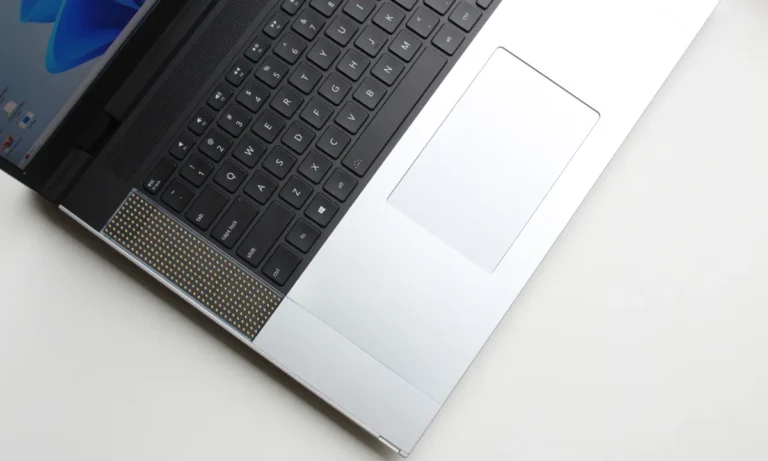
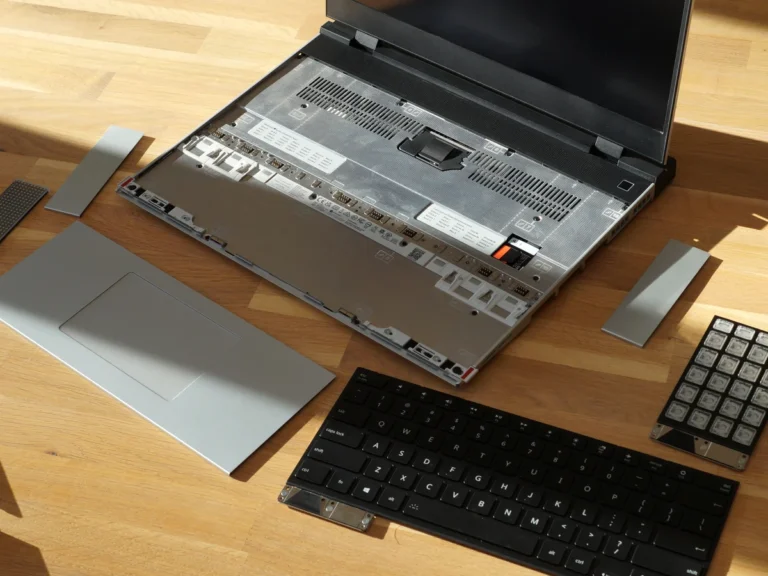
Desktop Peripherals: Innovative devices like the Dasung PaperShell are E-Ink keyboards with a display on each keycap. These keys can dynamically re-label themselves for different applications—transforming into a Photoshop shortcut panel or a Spanish keyboard layout instantly.
4. Specialized Professional and Accessibility Tools
Programming & CLI Focus: Distraction-free coding is a major driver. Some developers use E-Ink monitors solely for terminals and text editors, valuing the eye comfort during 10-hour debugging sessions.
Accessibility Aids: For individuals with photophobia, migraines, or other light sensitivities, E-Ink’s non-emissive nature can make digital text accessible where traditional screens are painful.
Portable Displays: USB-C-powered portable monitors like the Dasung Go offer a lightweight, sunlight-readable second screen for mobile professionals.
Current Limitations and the Road Ahead
E-Ink is not without its trade-offs, which define its current niche:
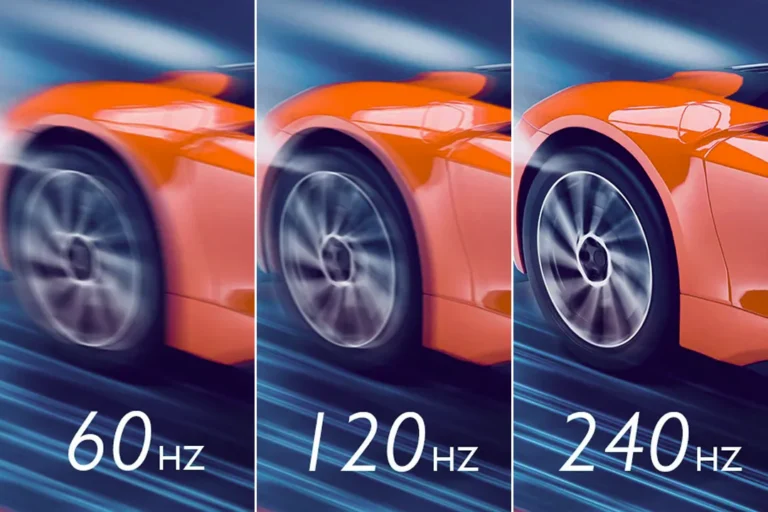
Refresh Rate & Ghosting: While improved “fast mode” technologies exist for basic browsing, E-Ink still cannot match the fluid 60Hz+ motion of LCDs. Video, fast scrolling, and dynamic UI elements are not its strength. “Ghosting” (faint remnants of a previous image) can occur, often cleared with a full screen refresh.
Color and Contrast: Though advanced color E-Ink (like Kaleido 3) now exists, it remains muted and pastel-like compared to vibrant LCDs. The primary experience is still high-contrast grayscale.
Price: E-Ink monitors and premium smart notebooks carry a significant cost premium over their LCD counterparts, a barrier to mainstream adoption.
The future is bright and increasingly colorful. Next-generation technologies like E-Ink Gallery 3 are bringing faster refresh rates and richer, more saturated color to the market. As manufacturing scales and technology improves, we can expect these devices to become faster, more affordable, and integrated into more form factors, from laptop lids that function as secondary displays to larger-format digital whiteboards.
Conclusion: A Tool for Thoughtful Technology
E-Ink’s journey beyond the e-reader represents a broader shift in our relationship with technology: a move toward intentionality. It’s a rejection of the “one screen for everything” model in favor of choosing the right tool for the cognitive task at hand.
For the writer seeking the focus of a typewriter, the programmer needing respite from eye strain, the student wanting the simplicity of a notebook, or the professional requiring a sunlight-viewable schematic, E-Ink offers a saner, more sustainable digital alternative. It proves that progress isn’t always about higher brightness and faster pixels; sometimes, it’s about creating a screen that knows when to fade into the background, empowering you to think, create, and work in peace. It is, in essence, technology designed not to capture your attention, but to liberate it.