Introduction: The Internet’s Addressing Authority
The Internet Corporation for Assigned Names and Numbers (ICANN) stands as one of the most significant and controversial organizations in global internet governance. Created to coordinate the internet’s unique identifier systems worldwide, ICANN operates at the critical intersection of technology, policy, commerce, and geopolitics. As a private-sector, non-profit corporation with global responsibilities, ICANN embodies the internet’s transition from U.S. government project to global public resource—a transition marked by ongoing tensions between technical coordination, national sovereignty, and commercial interests.
In the words of former ICANN CEO Fadi Chehadé: “ICANN is not the government of the internet. It is the custodian of a very specific set of technical functions that require global cooperation.” This article provides a comprehensive examination of ICANN’s structure, functions, evolution, and the complex challenges it faces in governing the internet’s core infrastructure.
1. Historical Foundations: Why ICANN Was Created
1.1 Pre-ICANN Era: The Informal System
The IANA Function (1972-1998):
Originally performed by Jon Postel at USC’s Information Sciences Institute
Funded by U.S. government contracts (DARPA, NSF)
Technical community self-governance through “rough consensus”
Growing strain as internet commercialized and globalized
The 1998 “Green Paper” and “White Paper”:
U.S. Department of Commerce initiates DNS privatization
Goals: Introduce competition, establish stability, promote international representation
Principles: Private sector leadership, bottom-up coordination
Result: Creation of ICANN through Memorandum of Understanding with NTIA
1.2 The Formative Years (1998-2003)
Initial Challenges:
At-large membership controversy: Attempt to create global individual membership
Domain name disputes: Implementation of UDRP (Uniform Domain-Name Dispute Resolution Policy)
ccTLD redelegation conflicts: Early sovereignty debates
Financial instability: Reliance on registrar and registry fees
Key Milestones:
1999: First ICANN meeting in Singapore
2000: Introduction of seven new gTLDs (.aero, .biz, .coop, .info, .museum, .name, .pro)
2001: Implementation of Registrar Accreditation Agreement
2. ICANN’s Core Functions: The IANA Stewardship
2.1 The Three Primary IANA Functions
1. Domain Name System Management:
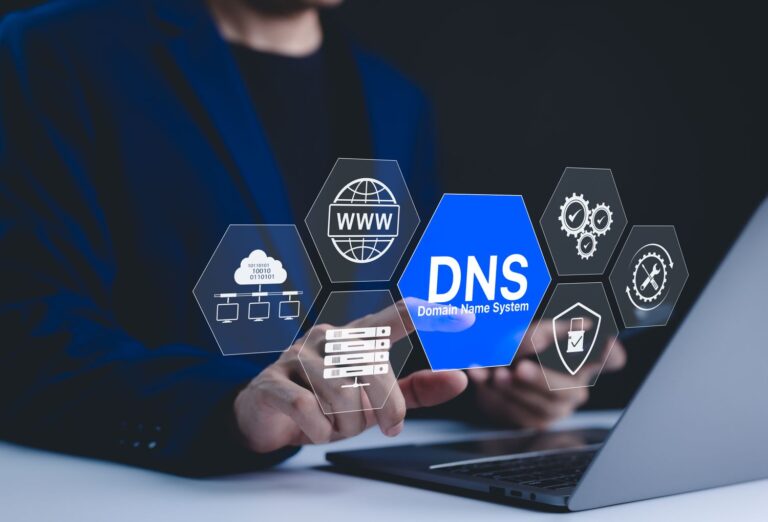
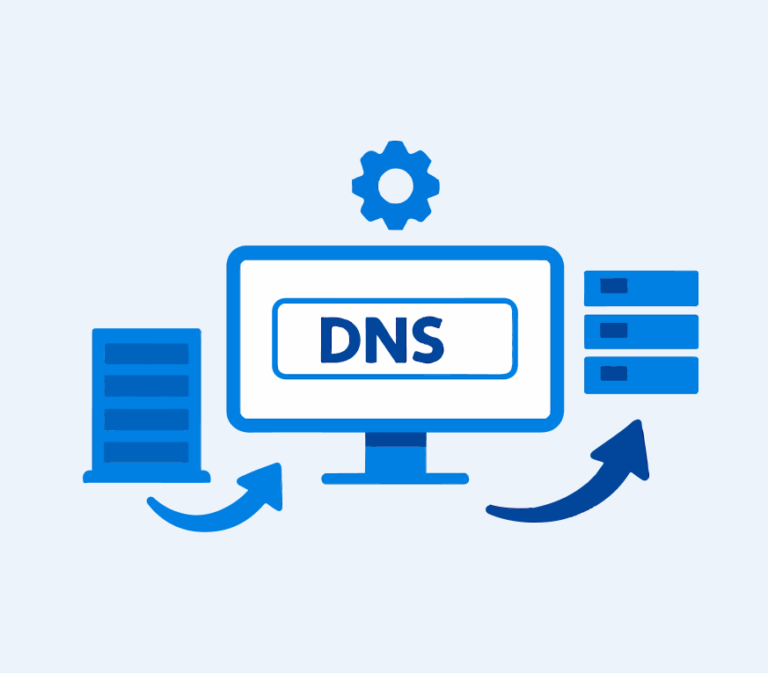
Coordination of the DNS root zone (top of the DNS hierarchy)
Delegation and redelegation of top-level domains (TLDs)
Establishment of policies for operation of gTLDs and ccTLDs
Maintenance of the root zone database
2. IP Address Allocation:
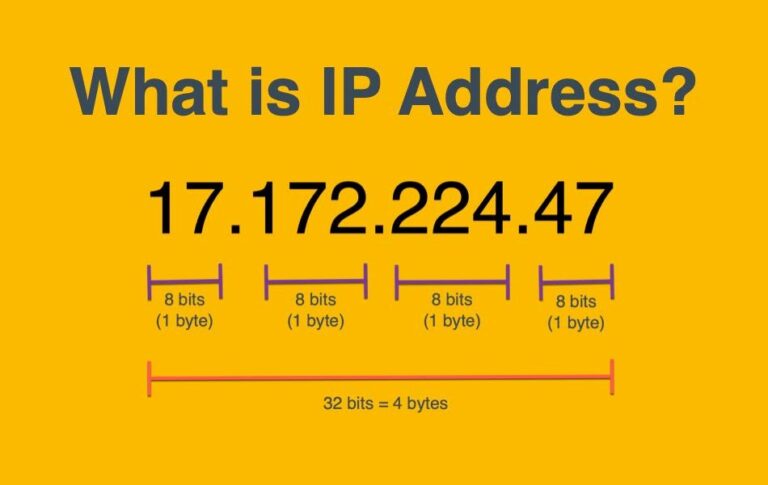
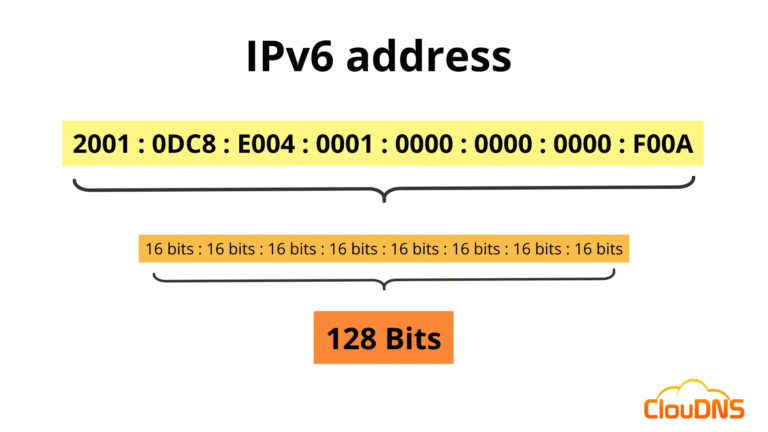
Allocation of IPv4 and IPv6 address blocks to Regional Internet Registries (RIRs)
Maintenance of registry of special-use IP addresses
Coordination of reverse DNS delegation for address blocks
3. Protocol Parameter Registry:
Maintenance of unique codes and numbers for internet protocols
Management of protocol parameter registries (port numbers, enterprise numbers, etc.)
Coordination with IETF and other standards bodies
2.2 The Root Zone Management Process
Technical Coordination:
Root zone changes processed through IANA functions operator (currently Public Technical Identifiers, PTI)
Coordination with root server operators
DNSSEC root key management (KSK ceremonies)
Policy Implementation:
New TLD delegations based on established policies
ccTLD redelegations following ICP-1 guidelines
Emergency redelegations for security/stability issues
3. Organizational Structure and Governance Model
3.1 The Multistakeholder Model in Practice
Supporting Organizations (SOs):
Generic Names Supporting Organization (GNSO):
Develops policy for gTLDs
Composed of:
Contracted Parties House (registries, registrars)
Non-Contracted Parties House (commercial, non-commercial stakeholders)
Key output: New gTLD Program, WHOIS policy, UDRP updates
Country Code Names Supporting Organization (ccNSO):
Develops policy for ccTLDs
Membership open to ccTLD managers
Addresses global policy issues affecting ccTLDs
Address Supporting Organization (ASO):
Addresses policy issues relating to IP addresses
Composed of the five RIRs (AFRINIC, APNIC, ARIN, LACNIC, RIPE NCC)
Advises ICANN Board on IP address allocation
Advisory Committees (ACs):
Governmental Advisory Committee (GAC): Advises on government concerns
Security and Stability Advisory Committee (SSAC): Technical security advice
Root Server System Advisory Committee (RSSAC): Root server operations advice
At-Large Advisory Committee (ALAC): Represents individual internet users
3.2 The Board of Directors
Composition:
Accountability Mechanisms:
3.3 Staff and Operations
Global Presence:
Headquarters: Los Angeles, California
Global hubs: Istanbul, Singapore
Engagement offices: Brussels, Geneva, Montevideo, Washington D.C.
Remote staff across multiple time zones
Functional Departments:
Global Domains Division (GDD): Registry/registrar services
Office of the CTO: Technical operations
Global Stakeholder Engagement: Community outreach
Policy Development Support: Facilitates policy processes
4. Key Policy Areas and Programs
4.1 The New gTLD Program
Historical Context:
2000: First limited expansion (7 new gTLDs)
2004: Sponsored TLD round (.cat, .jobs, .mobi, .post, .tel, .travel)
2012: Major expansion program launched
2012 Round Implementation:
1,930 applications for new gTLDs
Application fee: $185,000 per string
Controversial applications: .amazon (vs. Amazon region countries), .gay, .islam, .wine/.vin
Objection procedures: Legal Rights, Limited Public Interest, Community, String Confusion
Program Outcomes:
~1,200 new gTLDs delegated
Increased competition in domain market
Specialized TLDs for communities (.bank, .pharmacy)
Geographic TLDs (.nyc, .london, .tokyo)
Next Round Preparations:
Operational Design Phase (ODP) for subsequent procedures
Lessons learned from 2012 round
Community priority evaluation revisions
4.2 WHOIS and Registration Data Policy
Historical System:
Public directory of domain registration data
Used for law enforcement, intellectual property enforcement, security research
Privacy concerns: Personal data exposure, spam, harassment
GDPR Impact (2018):
European privacy regulation forced WHOIS changes
ICANN develops Temporary Specification
EPDP (Expedited Policy Development Process): Creates new framework
Current System (SSAD – System for Standardized Access/Disclosure):
Tiered access to non-public registration data
Accredited access for legitimate purposes
Implementation ongoing with significant challenges
4.3 DNS Security Initiatives
DNSSEC Implementation:
Registry/Registrar Security Requirements:
5. The IANA Stewardship Transition (2014-2016)
5.1 Catalysts for Change
The Snowden Revelations (2013):
Global concerns about U.S. surveillance
Increased international pressure for change
U.S. government announces intent to transition stewardship
NTIA Announcement (March 2014):
Criteria: Support multistakeholder model, maintain security/stability, meet needs of global customers
No intergovernmental organization replacement
ICANN community to develop transition proposal
5.2 The Transition Process
Cross-Community Working Group (CCWG):
Developed accountability enhancements
Created new independent review mechanisms
Established empowered community for Board oversight
Key Elements of Final Proposal:
Creation of PTI: Affiliate to perform IANA functions
Customer Standing Committee: Service-level feedback mechanism
Root Zone Evolution Review Committee: Technical oversight
Enhanced ICANN accountability: Community powers to reject budget, strategic plan, Board decisions
Successful Transition (October 1, 2016):
U.S. government role becomes ceremonial
ICANN community assumes full stewardship
Continuity: Contract with U.S. Department of Commerce replaced with community accountability mechanisms
6. Geopolitical Context and Challenges
6.1 Competing Governance Models
Multistakeholder vs. Multilateral Debate:
ICANN model: Private sector-led with government advisory role
ITU model: Government-led treaty organization
Ongoing tension in international forums (WSIS, IGF, UN)
Key Government Positions:
United States: Strong supporter of multistakeholder model
European Union: Supports multistakeholderism but seeks stronger government role
China, Russia: Advocate for increased government control through ITU
Brazil, India: Seek middle ground with “enhanced cooperation”
6.2 Digital Sovereignty Movements
National Control Trends:
Data localization requirements
National internet segments (Russia’s “sovereign internet”)
ccTLD management assertions of sovereignty
Content regulation affecting DNS operations
ICANN’s Sovereignty Dilemmas:
Balancing technical coordination with national policies
Handling government requests affecting global systems
Navigating sanctions regimes (e.g., .ir, .sy management)
7. Criticisms and Controversies
7.1 Structural and Governance Critiques
Representation Issues:
Corporate dominance: Registry/registrar interests overrepresented
Government influence: GAC power without formal accountability
Global South underrepresentation: Participation barriers due to cost, language, time zones
Accountability Deficits:
Limited ability to appeal ICANN decisions
Board independence vs. community control tensions
Transparency concerns in policy development
7.2 Specific Controversial Decisions
.xxx Delegation (2011):
GAC consensus advice against delegation
ICANN Board approves despite objections
Raises questions about GAC-Board relationship
.amazon Dispute:
Amazon Inc. vs. Amazon region countries (Brazil, Peru, etc.)
GAC consensus against delegation
Years of negotiations and litigation
Resolution: String delegation with safeguards for cultural terms
WHOIS/GDPR Implementation:
8. ICANN’s Financial Model and Sustainability
8.1 Revenue Sources
Primary Income Streams:
gTLD registry transaction fees: $0.25 per domain year (for registries with ICANN contract)
Registrar accreditation fees: Annual fees plus variable transaction fees
New gTLD application fees: Major revenue source during application periods
Financial Statistics (FY2023):
Total revenue: ~$150 million
Operating expenses: ~$140 million
Reserve fund: ~$100 million (approximately 6 months operating expenses)
Non-profit status: Reinvestment in operations and community initiatives
8.2 Budget Allocation
Major Expenditure Categories:
Staff compensation and operations (largest portion)
Community support (travel funding, meeting support)
Contractual obligations (PTI, IETF, etc.)
Security and stability investments
Legal and compliance costs
9. ICANN’s Relationship with Other Internet Organizations
9.1 Technical Community Relationships
IETF (Internet Engineering Task Force):
Regional Internet Registries (RIRs):
ASO relationship for IP address policy
Coordination on global number resource policies
Joint outreach and capacity building
Root Server Operators:
9.2 International Organization Relationships
United Nations Agencies:
ITU: Tension over governance models
UNESCO: Cultural diversity initiatives
WIPO: Intellectual property coordination
Internet Governance Forum (IGF):
ICANN as active participant
Support for national and regional IGF initiatives
But clear separation of roles (IGF has no decision-making authority)
10. Future Challenges and Evolution
10.1 Technical Evolution Pressures
Next-Generation Internet Technologies:
DNS evolution (encrypted DNS, new record types)
IPv6 adoption acceleration
Internationalized Domain Names (IDNs) expansion
Universal Acceptance challenges
Security Imperatives:
DNSSEC adoption acceleration
Registry/registrar security enhancements
Mitigating DNS abuse (phishing, malware distribution)
Supply chain security for domain services
10.2 Geopolitical and Regulatory Challenges
Fragmentation Pressures:
National internet sovereignty movements
Regional internet initiatives
Alternative naming systems (blockchain-based, etc.)
Risk: “Splinternet” undermining global interoperability
Regulatory Compliance:
Data protection regulations beyond GDPR
Content regulation affecting DNS operations
Cross-border data flow restrictions
Sanctions compliance complexities
10.3 Institutional Evolution
Reform Pressures:
Calls for improved accountability and transparency
Enhanced Global South participation
Streamlined policy development processes
Better measurement of public interest outcomes
Strategic Planning:
Five-year strategic plans with regular review
Balance between stability and adaptability
Resource allocation for emerging priorities
11. ICANN’s Global Impact and Significance
11.1 Successes and Achievements
Operational Stability:
No major DNS root zone failures
Successful IANA stewardship transition
Continuous operation through multiple crises
Policy Innovations:
Development of functional multistakeholder model
Implementation of new gTLD program
Adaptation to global regulatory changes
Community Building:
Creation of global policy development community
Capacity building programs worldwide
Inclusion improvements (though ongoing work needed)
11.2 Lessons for Global Governance
The Multistakeholder Experiment:
Demonstrates feasibility of non-governmental global governance
Shows challenges of balancing diverse interests
Provides model for other digital governance areas
Limitations of the Model:
Difficulty addressing power imbalances
Challenges with enforcement and compliance
Vulnerability to geopolitical tensions
Conclusion: The Custodian at a Crossroads
ICANN stands at a critical juncture in its evolution, having successfully navigated the IANA stewardship transition but facing increasingly complex challenges from technological change, geopolitical fragmentation, and evolving stakeholder expectations. Its journey from U.S. government contractor to global multistakeholder organization represents one of the internet governance’s most significant experiments.
The fundamental tension ICANN must manage—between technical coordination and policy development, between global interoperability and national sovereignty, between commercial interests and public benefit—mirrors the broader challenges of internet governance. As Dr. Jovan Kurbalija, internet governance expert, observes: “ICANN is both a mirror and a maker of the internet’s political economy. Its struggles reflect the world’s struggles to govern global digital interdependence.”
Looking forward, ICANN’s success will depend on several factors:
Adaptability: Responding to technical evolution while maintaining stability
Legitimacy: Addressing representation gaps and accountability concerns
Resilience: Withstanding geopolitical pressures toward fragmentation
Effectiveness: Developing policies that balance diverse interests while serving the public good
Ultimately, ICANN’s significance extends beyond its technical functions. It represents a test case for whether global governance of critical digital infrastructure can be achieved through cooperation rather than coercion, through consensus rather than control. The outcome of this experiment will shape not just the future of domain names and IP addresses, but potentially the future of global cooperation in an increasingly digital world.
Appendices and Key Resources
Essential ICANN Documents
ICANN Bylaws: Constitutional governance document
Strategic Plans: 2021-2025 Strategic Plan and annual implementation
Annual Reports: Financial and operational reporting
GAC Communiqués: Government advice from each meeting
Key Policy Documents
gTLD Registry Agreement: Contract with gTLD operators
Registrar Accreditation Agreement: Contract with domain registrars
IANA Naming Function Contract: PTI agreement for IANA functions
Framework for Registry Operator Code of Conduct: Behavioral standards
Monitoring and Accountability
Office of the Ombudsman: Conflict resolution
Independent Review Process: Appeals mechanism
ICANN Contractual Compliance: Enforcement reports
Public Comment Proceedings: Community input on policies
Learning and Engagement
ICANN Learn: Online learning platform
Fellowship Program: Supports participation from underrepresented regions
NextGen Program: Engages young professionals
Policy Development Support: Resources for community participation
ICANN remains a unique institution—part technical coordinator, part policy developer, part global convener. Its continued evolution will significantly influence whether the internet remains a globally interconnected network or fragments into nationally bounded segments.