The Indie Web Games Renaissance: How Browser Gaming Made a Surprising Comeback
From Flash to Fulfillment: The Story of Web Gaming’s Second Act
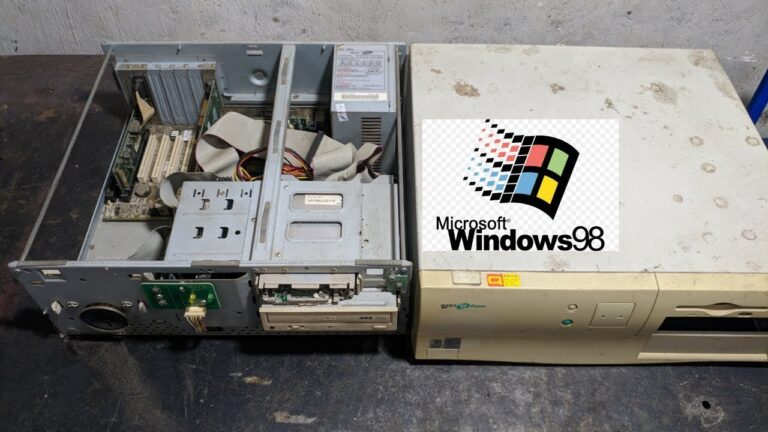
Picture this: it’s 2005. You’re sitting at a bulky desktop computer, clicking through Newgrounds or Miniclip, utterly absorbed in a quirky game made with Adobe Flash. Fast forward to the 2010s, that world seemed to vanish overnight. The demise of Flash, the rise of powerful consoles and mobile app stores, and the increasing complexity of games appeared to relegate browser gaming to a nostalgic footnote.
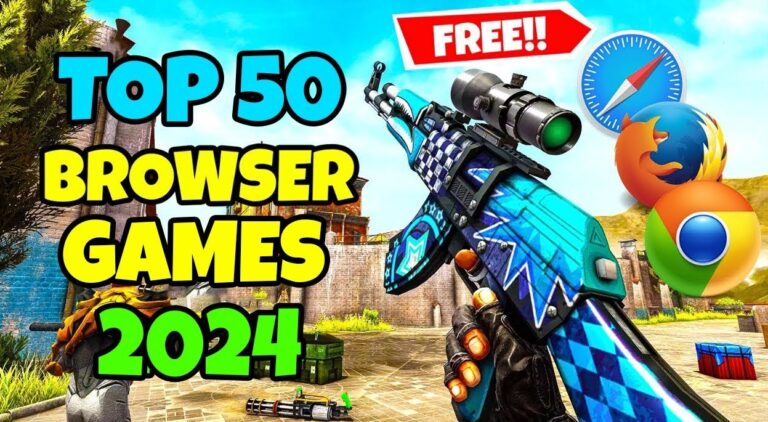
But a funny thing happened on the way to its funeral. Against all odds, browser-based gaming is experiencing a vibrant, unexpected, and profoundly creative renaissance. This new era, led by independent developers and fueled by modern web technologies, isn’t just a revival—it’s a transformation. Today’s indie web games are defined by artistic innovation, instant accessibility, and a direct connection between creator and player, forming a vital counter-narrative to the monolithic, multi-year development cycles of the AAA industry.
The Fall and Rise: Understanding the Renaissance
The demise of Adobe Flash in 2020 was less a death knell and more a necessary clearing of the undergrowth. While it ended an era, it also liberated developers from a proprietary, insecure, and performance-limited platform. The vacuum it left created space for open, modern web standards to flourish.
Simultaneously, the commercial app store ecosystem became increasingly crowded and gatekept. For indie developers, getting noticed on the iOS App Store or Steam became a monumental (and expensive) challenge of marketing, monetization, and platform compliance. The web, by contrast, offered an open frontier: a direct line to players with no middleman taking a 30% cut before the first click.
The result is a renaissance driven by a perfect storm of factors:
Modern Web Capabilities: Technologies like WebGL, HTML5 Canvas, and WebAssembly have closed the gap. Browsers can now render complex 2D and 3D graphics, handle advanced physics, and deliver near-native performance. Games like AAA titles are now possible in a tab.
A Hunger for Authenticity: Players are increasingly drawn to unique, personal, and experimental experiences that prioritize novel mechanics and artistic vision over photorealism and bloated budgets.
The Democratization of Development: Powerful, accessible game engines like Unity (with WebGL export) and Godot allow small teams or even solo developers to build sophisticated games and deploy them directly to the web.
The New Pillars of Indie Web Gaming
This renaissance is built on distinct pillars that differentiate it from both its Flash predecessor and the mainstream gaming market.
1. Unparalleled Accessibility & Discovery
The core philosophy is “click and play.” There are no 50GB downloads, no mandatory updates, and no upfront payments. Games are discovered through social media, curated platforms like itch.io, or word-of-mouth, and experienced instantly. This frictionless access is the web’s superpower, enabling viral moments and pure focus on the gameplay experience itself.
2. A Hotbed for Experimentation
Freed from the commercial pressure to sell millions of copies, web developers are the avant-garde of game design. The web has become a laboratory for:
Unique Genres & Mechanics: From contemplative “walking simulators” and interactive poetry to complex narrative engines.
Artistic Expression: Games that function as digital art installations, using visual style and soundscape as primary drivers.
Social & Multiplayer Experiments: Innovative uses of real-time data, shared browser states, and novel multiplayer concepts that would be risky to test in a traditional downloadable format.
3. The Platform: itch.io and the Direct Support Model
No discussion of this renaissance is complete without itch.io. More than a marketplace, it’s a community-centric platform that embodies the indie web spirit. It allows for “pay-what-you-want” models, free downloads, game jams, and direct developer-player interaction. It has successfully decoupled game discovery from aggressive monetization, proving that a thriving ecosystem can exist on patronage and goodwill.
4. The Viral Social Layer
Platforms like Twitter and TikTok have become essential discovery engines. A clever, accessible browser game is perfectly suited for a “check out this link!” moment. The ability to embed playable games directly in tweets or share a single link that works on any device creates a powerful viral loop that downloadable games can’t match.
Case Studies: The Games Defining the Era
“Universal Paperclips” and the Rise of the Incremental: This text-based browser game about AI-driven paperclip production became a surprise phenomenon. It demonstrated that deep, compelling systems and existential storytelling could thrive in a minimalist web format, inspiring a wave of “idle” and incremental games.
“A Dark Room” and “Cookie Clicker”: These seminal titles perfected the model of deceptively simple interfaces housing complex, engaging loops. They proved that stickiness and depth were not dependent on graphics.
“Heaven Will Be Mine” and Visual Novels: The web has become a premier home for narrative-driven experiences and visual novels. Their lower asset demands and focus on writing make them ideal for browser deployment, reaching audiences directly through story-centric platforms.
Game Jam Proliferation: Events like Ludum Dare (which often features web-based entries) and js13kGames (where the entire game must be 13 kilobytes or less!) force radical creativity. These constraints breed innovation, and the web is the perfect venue to instantly share the results with a global audience.
The Challenges and the Future
The path forward isn’t without hurdles. Monetization remains a puzzle. While itch.io‘s model works for some, developers lack the reliable subscription or premium purchase models of native platforms. Technical limitations also persist—very intensive 3D games or those requiring complex input still face browser performance ceilings.
Yet, the future is bright. We are moving toward:
Advanced Web Technologies: WebGPU, the successor to WebGL, promises near-native graphics performance, potentially unlocking a new tier of visual fidelity for browser games.
Cloud-Synced Experiences: The line between “browser game” and “cloud gaming” will blur, with the browser acting as a universal client for more powerful streaming experiences.
Evolving Business Models: Expect growth in patronage (Patreon integration), “pay-after-you-play” demos, and creative use of NFTs or blockchain for ownership (a controversial but evolving area) as developers seek sustainable revenue.
Conclusion: More Than a Comeback—A New Paradigm
The indie web games renaissance is not about recreating the Flash era. It’s about building something new and more resilient. It represents a reclaiming of the internet’s original promise: an open, creative, and accessible space for interactive art.
In an age of walled gardens, 100GB installs, and live-service behemoths, the humble browser game stands as a potent reminder of what games can be: immediate, personal, experimental, and freely shared. It has matured from a playground of simple distractions into a vital, thriving ecosystem for some of the most innovative and authentic experiences in gaming today. The game is on, and it’s just a click away.