Mobile Security Suites: Are They Necessary in 2024?
Introduction: The Smartphone Security Paradox
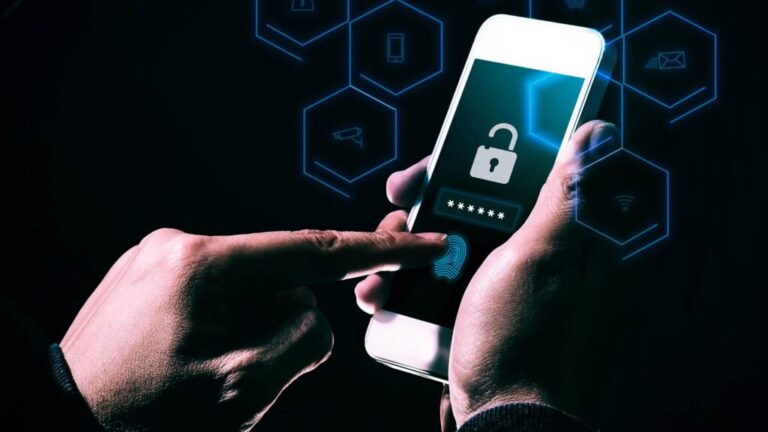
Your smartphone is likely the most personal device you own. It holds your financial details, private conversations, family photos, and authentication codes. Yet a significant gap exists between how we use these devices and how we protect them. Market research from 2024 reveals that only 55% of people have security software installed on their phones, while 78.3% use their mobile devices for sensitive activities like banking, healthcare access, investment management, and cryptocurrency trading . This 20-percentage-point gap represents the sweet spot cybercriminals actively exploit.
The question of whether mobile security suites are necessary in 2024 isn’t simple. The answer depends on who you are, what you do with your phone, and how you understand the evolving threat landscape. This comprehensive guide examines the reality of mobile threats, the built-in protections your phone already has, and when—or if—you need to add third-layer security.
Part 1: The 2024 Mobile Threat Landscape
Mobile devices have become such an integral part of business and personal life that they now represent a significant extension of corporate attack surfaces. According to IDC’s 2024 Mobile Security Solutions Market Insights, mobile devices and their applications are “increasingly playing an important role” in daily operations, making them attractive targets for cybercriminals .
The Growing Threat Arsenal
Mobile threats have diversified well beyond the simple viruses of the past. Today’s threat landscape includes:
Mobile malware and ransomware: Malicious software designed specifically to compromise mobile operating systems
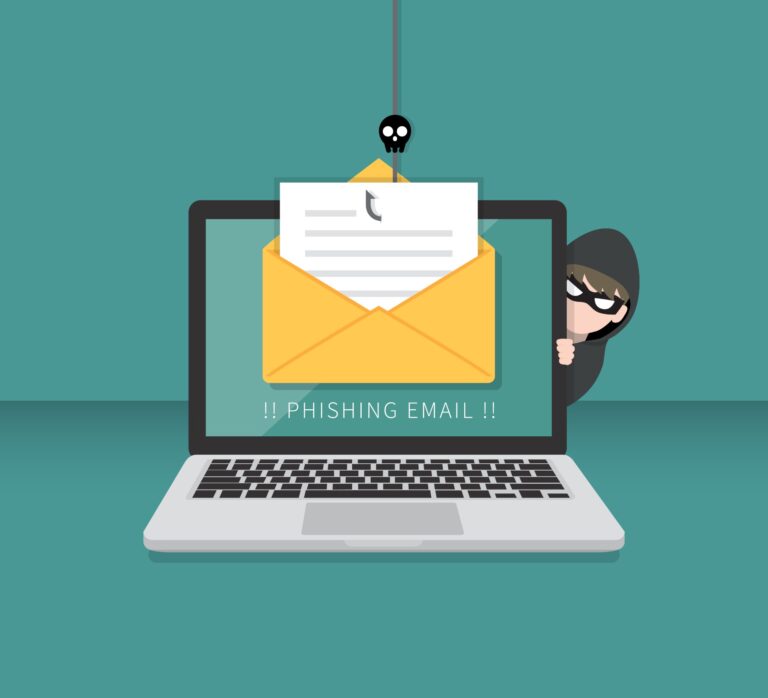
Smishing attacks: SMS-based phishing that tricks users into revealing credentials or downloading malware
Network attacks: Exploitation of unsecured Wi-Fi connections
App-based vulnerabilities: Malicious or poorly secured applications that leak data
Device theft and loss: Physical access leading to data compromise
The commercial spyware industry has fundamentally changed the risk equation. These sophisticated tools exploit zero-day vulnerabilities—particularly in iOS devices—and are sold to the highest bidders, often autocratic governments targeting dissidents, journalists, and other high-profile individuals . The same capabilities could easily be directed at corporate executives.
The Official App Store Illusion
A common misconception is that official app stores are completely safe. While Google Play Store and Apple App Store are significantly more secure than third-party sources, they are not immune to threats. Security researchers routinely discover malicious apps with millions of downloads in official stores . Google regularly purges dangerous apps, but new threats constantly emerge.
Mobile Threat Defense (MTD) is receiving increasing attention as organizations recognize that mobile devices require specialized protection beyond traditional endpoint security .
Part 2: What Your Phone Already Does (Built-in Protections)
Modern mobile operating systems include sophisticated security features that didn’t exist just a few years ago. Understanding these built-in protections is essential before evaluating whether you need additional software.
Android 15: Google’s Security Evolution
Android 15 introduced several powerful security features that challenge the need for third-party protection :
Android 15 also introduced app pairs for productivity and enhanced Circle to Search functionality, but the security additions are the headline improvements for 2024.
iOS 18: Apple’s Fortress Mentality
Apple has long positioned iOS as the more secure mobile operating system, and for years, this reputation was justified. Key advantages include :
Closed ecosystem: Strict control over app distribution through the official App Store
Intensive app review process: All apps undergo human review before approval
Hardware-based security: Secure Enclave provides encryption at the deepest system levels
No sideloading (historically): Apps couldn’t be installed from outside sources
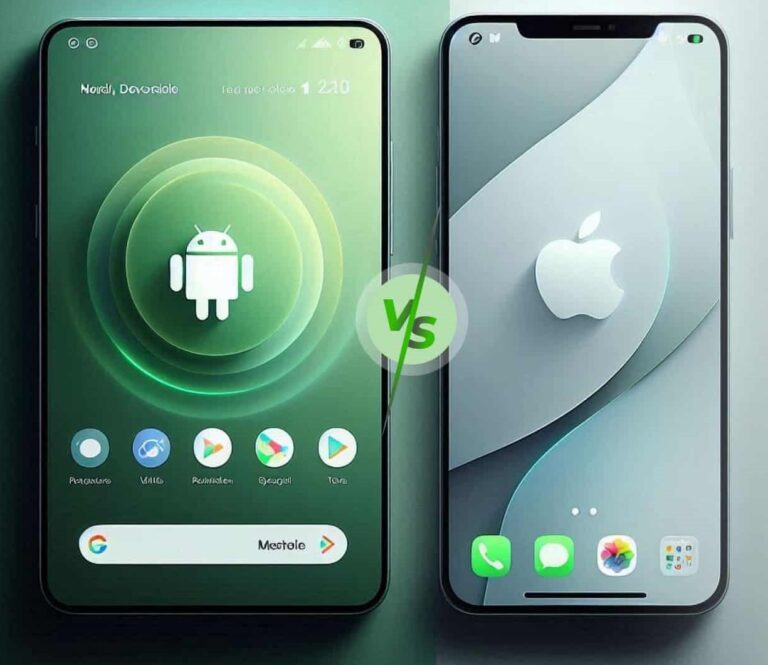
However, 2024 brought a fundamental shift. The EU’s Digital Markets Act (DMA) forced Apple to allow sideloading—installing apps from third-party sources—on iOS devices in Europe . Apple has implemented measures to maintain security, including:
Notarization: Automated security checks for sideloaded apps
Enhanced sandboxing: Stricter isolation for all apps
Code signing requirements: All apps must be properly signed
The effectiveness of these measures remains unproven, and security researchers warn that iOS may have lost its historical advantage.
Academic Perspective: iOS vs. Android Security
A 2024 academic survey comparing iOS and Android anti-virus protection concluded that “the Apple iOS operating system is acknowledged to be more secure than the Google Android operating system” . However, the researchers noted a critical limitation: “there currently need to be sources that directly compare Apple iOS anti-virus protection to Google Android anti-virus protection” .
The survey emphasized that researching anti-virus protection is essential because “technological advances will continue to increase the necessity of protection for a user’s data” .
Part 3: The Case for Third-Party Security Suites
Despite significant improvements in built-in protections, security suites offer capabilities that operating systems alone cannot match.
What Security Suites Add
Independent testing by AV-TEST in September 2024 evaluated 15 mobile security products for Android. The best performers achieved perfect scores across all categories :
Bitdefender Mobile Security, one of the top performers in AV-TEST’s evaluation, demonstrated :
100% detection of both recent and established Android malware
Zero impact on battery life during normal usage
No device slowdown in daily operations
Zero false positives from legitimate apps
The App-Centric Challenge
The mobile environment is fundamentally different from desktop computing. Users spend 88% of their time on mobile apps and just 12% on mobile websites . With over 3 million apps available on Google Play and a comparable number on the Apple App Store, the attack surface is enormous.
Security suites provide Mobile App Reputation Services (MARS) that analyze app behavior and identify risks that wouldn’t trigger traditional malware detection . Apps that transfer data insecurely, store information without encryption, or exhibit suspicious communication patterns can be flagged and quarantined.
Smishing Protection
Smishing (SMS phishing) represents a uniquely mobile threat that desktop-focused security doesn’t address. Recent attacks on major casino chains demonstrated how mobile-based social engineering can compromise entire organizations . Security suites with Phishing and Content Protection (PCP) can detect and block these attacks before they reach users.
The Enterprise Perspective
For organizations, mobile security suites offer capabilities that built-in protections cannot match. The UK’s National Cyber Security Centre (NCSC) has developed an Advanced Mobile Solutions (AMS) framework that assumes individual devices may occasionally be compromised . This realistic threat model requires :
Mobile Device Management (MDM) for secure configuration
Mobile Threat Defense (MTD) for advanced threat detection
Network segmentation to protect core systems
Rapid detection and recovery capabilities
As one security expert noted, “MDM is effective in establishing basic controls, but it falls short in detecting advanced threats like jailbroken or rooted devices. MTD evaluates each app’s risk based on its functionalities and can detect network and phishing attacks” .
Part 4: The Counter-Argument – When You Might Not Need Extra Protection
For many users, built-in protections may be sufficient. Consider these factors:
Your Usage Patterns Matter
If you primarily use your phone for calls, messaging, social media, and casual web browsing—and you don’t conduct sensitive transactions—the built-in protections may be adequate. The risk is proportional to the value of what you’re protecting.
App Stores Are Getting Safer
Both Google and Apple have improved their app vetting processes. While not perfect, official stores are far safer than third-party sources. Simply avoiding sideloaded apps eliminates a major attack vector.
Operating System Updates
Keeping your phone updated with the latest OS version patches known vulnerabilities. Android 15’s theft protection features and iOS 18’s enhanced controls provide meaningful protection without third-party software.
The Performance Argument
Well-designed security suites have minimal impact on device performance—top products now achieve perfect scores in usability testing . However, poorly designed or outdated security software can indeed slow down your device and drain battery.
Part 5: The Vulnerability Reality Check
Recent research challenges the assumption that iOS apps are inherently more secure than their Android counterparts. Promon’s analysis of the top 100 most downloaded apps for both platforms revealed a startling finding :
These repackaged iOS apps have been downloaded over 5 billion times in the past year . While distributing malicious iOS apps previously required enterprise provisioning certificates, sideloading now provides a clearer path to installation.
The researchers attribute this disparity to developer complacency on iOS: “On iOS, there was a misplaced assumption of sufficient security provided by the App Store review and sandboxing alone” . This perception paradoxically opened the door to iOS apps having worse real-world vulnerabilities.
Part 6: Making the Decision – Do You Need a Security Suite?
Use This Decision Framework
Recommended Approaches by User Type
If You Choose a Security Suite
Look for products that have been independently tested and certified. AV-TEST’s September 2024 evaluation provides a reliable benchmark . Top performers achieved perfect scores across protection, performance, and usability categories .
Key features to prioritize:
Real-time malware scanning
Phishing protection
Wi-Fi security assessment
Privacy auditing
Anti-theft capabilities
Minimal performance impact
Part 7: The 2024 Verdict
The question “Are mobile security suites necessary in 2024?” doesn’t have a universal answer. For the average user who practices safe browsing, sticks to official app stores, and keeps their phone updated, built-in protections may be sufficient. The advanced theft protection in Android 15 and iOS 18’s robust app review process provide meaningful security.
However, for anyone who uses their phone for sensitive transactions—banking, investing, healthcare access, or work data—the extra layer of protection is justified. The 20% gap between users conducting sensitive activities and those with security software represents unnecessary risk.
The mobile threat landscape continues to evolve. Commercial spyware, smishing attacks, and sophisticated malware target mobile devices precisely because they hold our most valuable data. Security suites have evolved too, offering comprehensive protection without the performance penalties of the past.
The Bottom Line
If you treat your phone like a computer—downloading files, clicking links, accessing sensitive accounts—you should consider security software
If your phone is primarily a communication device with limited sensitive use, modern OS features are likely adequate
If you’re unsure, err on the side of protection. The cost of a security suite is minimal compared to the potential damage of a breach
One security researcher summarized the situation well: “Mobile devices have become prevalent in our daily lives, and in many ways they are used more than computers. People use them to show, to store sensitive information, to speak with friends, to manage finances and so much more. It makes sense to want to protect them as much as possible” .
Conclusion: The Personal Risk Equation
The necessity of mobile security suites ultimately comes down to your personal risk equation. Built-in protections have never been stronger, but threats have never been more sophisticated. The 55% adoption rate of mobile security software suggests many users are comfortable with default protections, while the 78% conducting sensitive transactions suggests those users should reconsider.
In 2024, the most important step is making an informed decision based on your actual usage rather than assumptions. Whether you choose built-in protections alone or add a third-party suite, understanding what each layer provides—and what it misses—is the foundation of mobile security.
Your phone knows more about you than any other device you own. The question isn’t whether it needs protection. The question is how much protection your specific usage requires.