Mastering Google Ad Manager: The Complete Guide to Managing Direct and Network Sales in 2026
Introduction: The Publisher’s Command Center
For digital publishers, the gap between having ad inventory and generating reliable revenue is bridged by one critical platform: Google Ad Manager (GAM) . Unlike Google Ads, which serves advertisers running campaigns, Google Ad Manager is built for publishers who need to monetize inventory across websites, mobile apps, and video platforms .
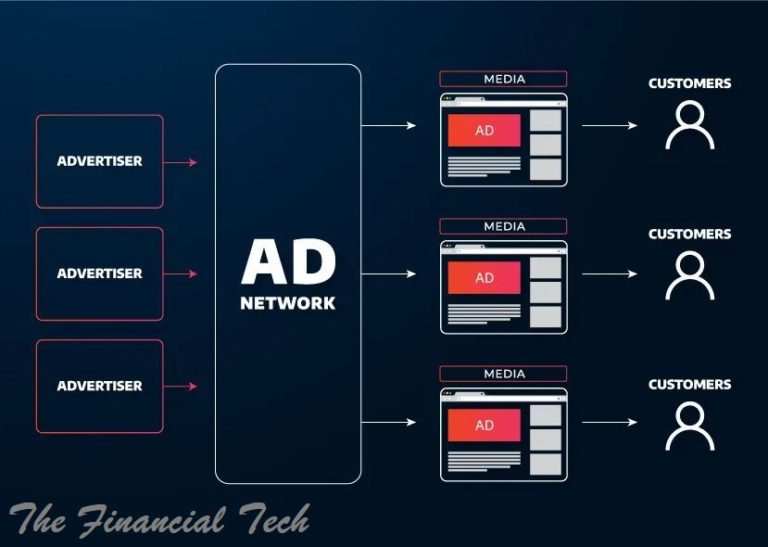
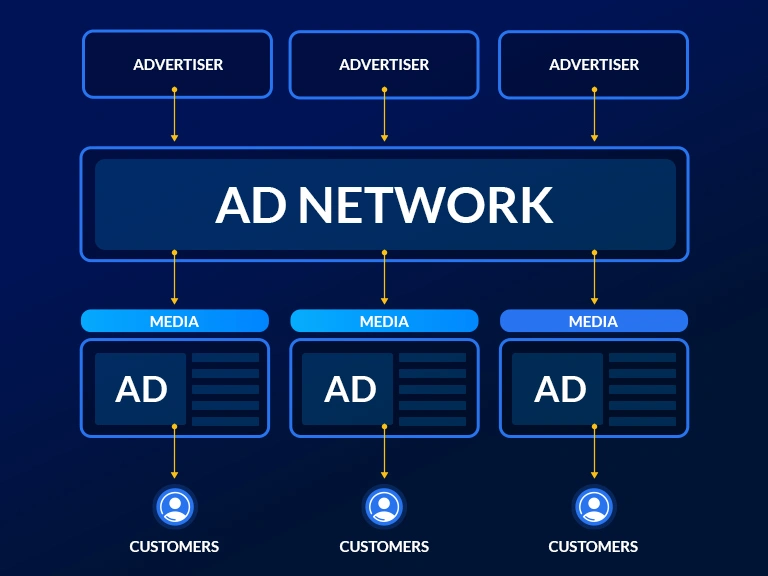
In 2026, GAM has evolved into a comprehensive yield management system that handles both direct sales (deals you negotiate with specific advertisers) and network sales (programmatic demand from multiple sources) in a single, unified auction . This convergence is the platform’s superpower: it allows every impression to be competed for by guaranteed reservations, programmatic guaranteed deals, and real-time bidding partners simultaneously .
This guide provides a complete, strategic framework for using Google Ad Manager to manage both direct and network sales effectively. You will learn how to structure your inventory, traffic campaigns from diverse demand sources, leverage yield management tools, navigate the 2026 reporting transition, and optimize for maximum revenue.
Part 1: Understanding Google Ad Manager’s Role
1.1 What Google Ad Manager Actually Does
Google Ad Manager is not simply an ad server—it is a unified platform that combines ad serving with an integrated ad exchange . It acts as the command center for your monetization setup, bringing together:
Direct-sold campaigns: Guaranteed deals with specific advertisers at negotiated rates
Programmatic demand: Real-time bids from Ad Exchange, Exchange Bidding partners, and third-party networks
Header bidding partners: Demand from your own integrated partners that competes in the unified auction
When a user loads your page, an ad tag communicates with GAM, which evaluates all available demand—direct and programmatic—and selects the highest-value option in milliseconds . This happens through a unified first-price auction where all demand sources compete on equal footing .
1.2 The Two Tiers: Free vs. GAM 360
Source:
1.3 Key Distinction: GAM vs. Google Ads
A common point of confusion is the difference between Google Ad Manager and Google Ads. They serve fundamentally different roles:
Source:
Retailers use Google Ads to promote products; publishers use GAM to handle direct advertiser relationships alongside programmatic auctions, ensuring every ad slot is filled at the best possible rate .
Part 2: The 2026 Platform Landscape
2.1 Recent Updates and Industry Context
Google Ad Manager continues to evolve in response to industry shifts. In 2026, the platform features:
AI-powered optimization and reporting now central to the experience, helping publishers automate decisions and boost revenue
Robust compliance tools supporting first-party data strategies in a cookieless world
Enhanced transparency following industry developments, with clearer auction mechanics and reporting
2.2 The Critical 2026 Transition: Interactive Reports
The most significant change for 2026 is the complete retirement of the classic “Reports” tool. Google has fully transitioned to Interactive Reports as the sole reporting interface .
This is not merely a cosmetic update. It represents a fundamental shift in how publishers access and analyze data:
Why this matters: Google does not automatically migrate all existing saved and scheduled reports. Publishers must actively rebuild critical reports in the new system or risk workflow disruption .
Part 3: The Architecture of Direct and Network Sales
3.1 Understanding the Unified Auction
At the heart of Google Ad Manager is a unified first-price auction that compares all available demand simultaneously :
Guaranteed campaigns: Direct-sold line items with specific delivery goals
Programmatic demand: Authorized Buyers, Exchange Bidding partners
Header bidding partners: Non-guaranteed demand from your integrated partners
The auction selects the highest value option, ensuring you maximize revenue from every impression .
3.2 Inventory Organization
Before managing demand, you must organize your inventory. GAM structures inventory through:
Source:
Best practice: Use consistent, descriptive naming conventions. Structure inventory by site section, device type, or ad format—this saves time as operations scale .
3.3 Implementing Ad Tags
After defining inventory, generate ad tags for each ad unit and place them in your website or app code . This tells GAM where ads should appear and initiates the auction on every page load .
Part 4: Managing Direct Sales
4.1 The Order and Line Item Structure
Direct sales in GAM are managed through a hierarchical structure:
Order: Represents a commercial agreement with an advertiser or agency
Line Items: Individual delivery components within an order, each with specific targeting, pacing, and creative assignments
When creating an order for a direct-sold campaign:
Navigate to Delivery > Orders and click New order
Assign the order to a specific advertiser (created under Companies)
Add line items specifying:
Inventory type and size
Start and end dates
Delivery goals (impressions, clicks)
Pricing (CPM, CPC, CPD, etc.)
4.2 Trafficking Direct Line Items
Direct line items are trafficked with priority levels that determine their position in the auction:
Higher priority levels (lower numbers) win over lower-priority demand, but Dynamic Allocation allows programmatic demand to compete even against guaranteed line items if the bid exceeds the line item’s value .
4.3 Forecasting Delivery
Before finalizing direct deals, use GAM’s forecasting tools to predict available inventory . This prevents overselling and ensures you can deliver on commitments. Access forecasting from any line item by clicking Check availability.
Part 5: Implementing Network Sales and Programmatic Demand
5.1 Adding Network Partners
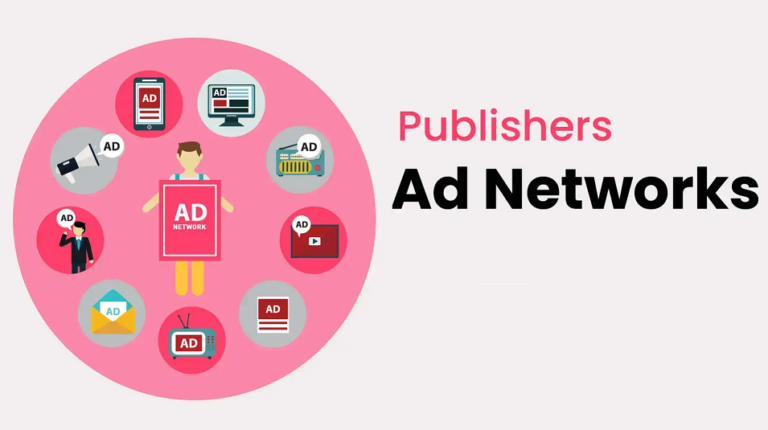
To bring network demand into GAM, you must implement each partner as a source of competition. For each ad network you’ve been approved for:
Create an order for the network in GAM
Name it clearly (e.g., “Network – Adsterra – Display”) for easy reporting
Create line items under that order for specific campaigns or inventory
Critical practice: Create separate orders for each network rather than combining them. This enables proper performance reporting and management .
5.2 Configuring Network Line Items
When creating a line item for network demand:
Select line item type: Usually “Price priority” or “Network” depending on your setup
Set delivery dates: Start and end times for when this demand source should compete
Define targeting: Ad units, placements, key-values, geos, devices
Set CPM price: This price drives the line item’s priority in the auction—higher CPMs win more often
Consider daily caps: For new network partners, set daily impression caps until you understand true eCPM performance
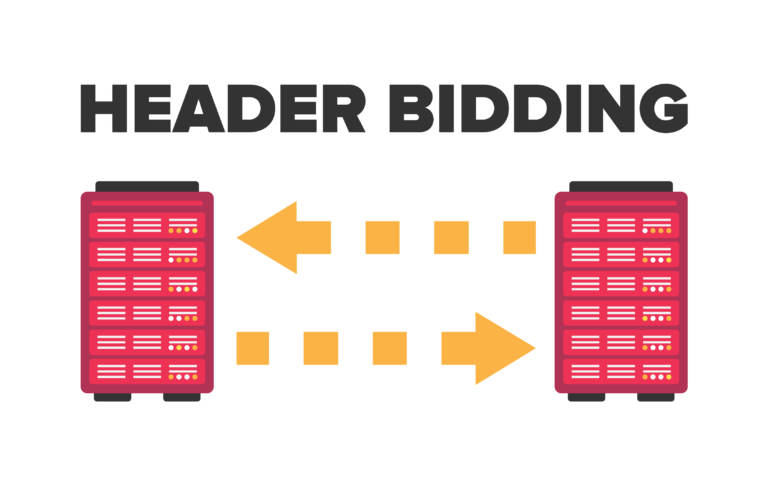
5.3 Integrating Header Bidding
Header bidding allows multiple demand partners to bid simultaneously, creating stronger competition and typically higher eCPMs . To integrate header bidding with GAM:
Implement header bidding wrapper code (e.g., Prebid.js) on your pages
Configure the wrapper to pass winning bids to GAM as key-values
In GAM, create line items targeting those key-values with appropriate CPMs
This creates a seamless flow where header bidding demand competes directly with Ad Exchange and direct-sold campaigns .
5.4 Unified Pricing Rules
GAM’s Unified Pricing Rules help maintain consistent minimum prices across all demand channels, preventing partners from undercutting your inventory value . These rules allow you to set floors based on:
Ad unit or placement
Device type
Geographic region
Audience segments
Dynamic floors adjusted by machine learning can further optimize yield by responding to real-time market conditions .
Part 6: Yield Management Tools
Google Ad Manager provides several complementary tools to maximize yield across all demand sources .
6.1 Dynamic Allocation (Always Enabled)
What it does: After an ad request, GAM selects the best guaranteed line item and calculates a temporary CPM based on priority and delivery schedule (behind-schedule line items generate higher temporary CPMs). It then runs an Ad Exchange auction—if the bid exceeds the temporary CPM, Ad Exchange wins; otherwise, the guaranteed line item serves .
Strategic value: Ensures programmatic demand can always compete, even against guaranteed inventory, without risking delivery commitments.
6.2 First Look
What it does: Gives preferred access to select Authorized Buyers, allowing them to bid before reservation demand is considered .
When to use: For high-value buyers where you’re willing to risk reservation delivery in exchange for premium programmatic revenue. Caution is advised, as this can impact guaranteed campaign delivery .
6.3 Optimized Competition
What it does: When a standard line item is selected, Optimized Competition can lower the temporary CPM (created by Dynamic Allocation) to enable more competition. The new floor is algorithmically determined per query and is always at least as high as the competing line item’s CPM .
Strategic value: Captures high-value programmatic demand while limiting reservation delivery risk .
6.4 Target CPM and Optimized Pricing
These tools eliminate manual floor calculation and protect long-term inventory value .
Part 7: Reporting and Analytics in 2026
7.1 The Interactive Reports Transition
As of early 2026, the classic “Reports” tool has been removed from the GAM web interface . All reporting now occurs through Interactive Reports, which offers:
AI-assisted generation: Prompt the system to suggest relevant metrics and dimensions
In-platform exploration: Filter, pivot, compare, and drill down without exporting
Flags and notifications: Highlight performance thresholds automatically
Scheduling and sharing: Maintain automated report delivery
7.2 Migrating Your Reports
Google does not automatically migrate saved reports. Follow this framework to ensure continuity :
7.3 Key Metrics to Track
When building reports for both direct and network sales, focus on:
7.4 Integrating Google Analytics 4
Linking GAM with GA4 unlocks deeper audience insights :
Track user actions and build remarketing audiences
Understand how ad performance correlates with engagement metrics
Create audience segments for refined targeting
To link:
In GA4 Admin, navigate to Property > Google Ads Links
Select your Google Ads account (which shares data with GAM)
Enable auto-tagging for proper tracking
Part 8: Optimization Strategies for Maximum Revenue
8.1 Balancing Direct and Programmatic
The unified auction creates inherent competition between direct deals and programmatic demand. Best practices for balance:
Use appropriate priority levels: Direct-sold campaigns at Priority 6-8, programmatic at Priority 12
Enable Dynamic Allocation: Let programmatic compete against guaranteed inventory
Monitor delivery closely: If programmatic consistently wins against a direct line item, either increase the direct CPM or accept that programmatic represents true market value
8.2 Price Floor Optimization
Set floor prices strategically :
Differentiate by segment: Higher floors for premium geos, devices, or placements
Use dynamic floors: Let machine learning adjust floors in real-time
Review regularly: Analyze bid density—low competition on certain placements may indicate floors are too high or setup issues exist
8.3 Creative Management and Testing
GAM supports a wide range of creative formats: display, video, native, rich media . Optimize by:
Rotating creatives to prevent fatigue
Running A/B tests to identify high-performing formats
Setting approval workflows to ensure compliance
8.4 Page Speed and User Experience
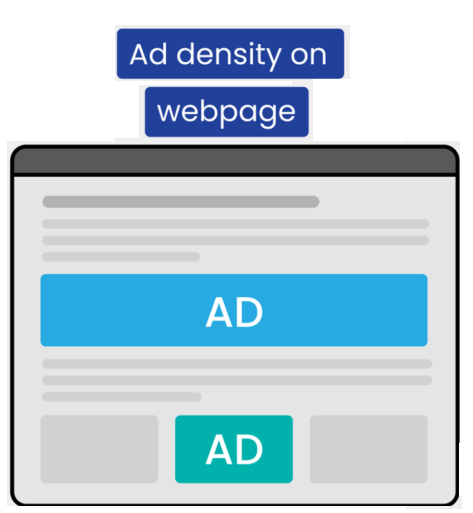
Ad density and page speed directly impact both user experience and monetization . Fast pages:
Implement lazy loading, optimize images, and minimize heavy scripts to maintain speed .
8.5 Frequency Capping
Prevent ad fatigue and protect user experience with frequency caps:
Set caps at the line item or order level
Consider caps by time period (per day, per week)
Use audience exclusions to focus spend on new prospects
Part 9: Practical Implementation Workflow
Step 1: Account Setup and Configuration
Create GAM account at admanager.google.com
Configure network settings (currency, time zone, network name)
Create user roles and assign permissions (admin, trafficker, analyst)
Set up companies (advertisers, agencies, networks)
Step 2: Inventory and Tagging
Define ad units with clear naming conventions
Create placements for grouped targeting
Generate ad tags (Google Publisher Tags) and implement on pages
Test tag implementation thoroughly
Step 3: Demand Setup
For direct sales:
Create orders for each advertiser
Add line items with specific targeting, delivery dates, and CPMs
Upload and approve creatives
Check forecasting before finalizing
For network sales:
Create orders for each network partner
Add line items with targeting and CPMs
Set daily impression caps for new partners
Monitor performance and adjust caps upward as confidence grows
Step 4: Yield Management Configuration
Enable Dynamic Allocation (default)
Consider enabling First Look for premium buyers
Set up Optimized Competition
Configure Unified Pricing Rules with appropriate floors
Enable Target CPM or Optimized Pricing for machine learning optimization
Step 5: Reporting Setup
Rebuild critical reports in Interactive Reports
Schedule recurring reports for stakeholders
Set up flags for performance thresholds
Validate data against historical reports
Step 6: Launch and Continuous Optimization
Monitor delivery and fill rates daily
Review bid density and partner performance
Adjust floors based on market signals
Refresh creative assets based on performance data
Run periodic reconciliation between direct and programmatic demand
Part 10: Common Pitfalls and How to Avoid Them
Conclusion: The Unified Command Center
Google Ad Manager in 2026 is far more than an ad server—it is a comprehensive yield management platform that, when configured properly, maximizes revenue across all demand sources while maintaining the integrity of direct advertiser relationships.
The expert publisher’s approach:
Structure inventory strategically for clear reporting and targeting
Segment demand sources (direct deals, networks, header bidding) into distinct orders for clear performance visibility
Leverage yield management tools (Dynamic Allocation, First Look, Optimized Competition) to let programmatic compete fairly
Set intelligent price floors differentiated by segment and optimized through machine learning
Master Interactive Reports to extract actionable insights and avoid workflow disruption
Maintain operational discipline—daily monitoring, regular optimization, continuous testing
The unified auction model means you no longer have to choose between direct and programmatic sales. Both compete on equal footing, with the highest value winning every time. Your job is to ensure that competition is fair, transparent, and informed by the best possible data.
Google Ad Manager is the command center where all this happens. When it’s configured properly, everything else becomes more efficient